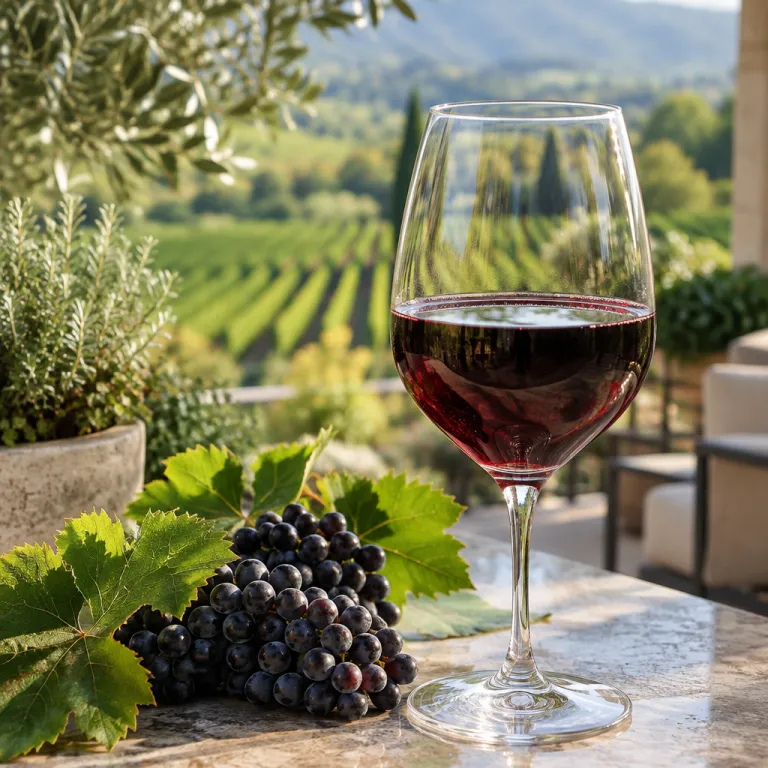
Why Napa Zinfandel matters when you choose your hotel
Choosing a hotel in Napa Valley is easier when you first think about the style of Napa Zinfandel you enjoy. Napa sits in a long north–south valley where warm afternoons and cool nights help the Zinfandel grape ripen fully, giving wine with dark fruit, spice, and enough freshness for food at your hotel restaurant. Napa Valley Zinfandel is a dry red wine known for dark fruit, spice, full body, and often high alcohol.
In the southern part of Napa, closer to the town of Napa itself, valley-floor vineyards tend to give softer valley Zinfandel with red cherry, raspberry, and gentler tannins that suit relaxed hotel bars. Further north toward St. Helena and Calistoga, mountain vineyards and older-vine Zinfandel parcels often produce more structured wines with blackberry, black pepper, and higher alcohol that pair well with rich dinners after a day of tasting. When you compare a valley-vineyard Zinfandel with one from mountain vineyards, you immediately sense how elevation, slope, and soil shape the wines you will be served in different hotel dining rooms.
Harvest for Zinfandel in Napa Valley usually happens from September to October, and many hotels build seasonal menus around this period. Some properties partner with nearby family vineyards so guests can join early morning harvest walks, then return for a guided tasting of Zinfandel Napa and Petite Sirah in the lobby lounge. When you book, ask the concierge which winery partners they work with, whether they highlight estate Zinfandel, Cabernet Sauvignon, or Petite Sirah, and how these wines appear in curated flights for guests staying on property.
Staying near iconic Napa Valley Zinfandel estates and family vineyards
Where you sleep in Napa Valley quietly shapes which Zinfandel estates you can reach without long drives. Around the town of Napa and up through Oak Knoll, hotels often collaborate with vineyards Napa on the valley floor, where fruit-forward wines and softer tannins dominate by the glass. If you stay farther north, closer to Calistoga, you are better placed for visits to historic mountain vineyards and old-vine Zinfandel specialists.
Several names matter if Napa Zinfandel is central to your trip, starting with Biale Vineyards on the outskirts of Napa. The team at Biale Vineyards is famous for its Black Chicken Zinfandel, a wine that shows how concentrated valley Zinfandel can be when old vines, careful farming, and restrained oak come together in one estate Zinfandel. Hotels within a short drive of Biale Vineyards often arrange private tasting appointments, and some even feature Robert Biale wines in welcome amenities or in-room mini cellars for guests who request a Zinfandel-focused stay.
Farther north, near Calistoga, Storybook Mountain Vineyards offers another face of Zinfandel Napa, with vines planted on steep mountain slopes that give more structure and spice. A hotel in Calistoga can coordinate a driver so you taste Storybook Mountain Zinfandel and then return safely to enjoy the spa, pool, or a glass of Petite Sirah on the terrace. One recent guest at a small Calistoga inn, for example, spent the morning at Storybook Mountain, then came back for a casual poolside tasting of Zinfandel and Cabernet Sauvignon that the concierge had arranged as a surprise anniversary treat. If Cabernet Sauvignon also interests you, ask your hotel to build a mixed itinerary that combines top Cabernet addresses with specialist Zinfandel producers, using an elegant guide to the best Napa Valley Cabernet Sauvignon for your hotel stay as a reference when you plan.
Curated Napa Zinfandel tasting experiences from your hotel concierge
A strong hotel concierge in Napa Valley can turn a simple day of wine tasting into a focused exploration of Napa Zinfandel styles. When you first contact the property, explain whether you prefer ripe, plush wines or more restrained, peppery expressions, because this helps the concierge choose the right winery appointments. Some hotels maintain close relationships with family vineyards that specialise in vineyard Zinfandel, Petite Sirah, and Zinfandel–Petite blends, allowing guests to access limited tasting slots.
Ask specifically for a progression that starts with valley-floor vineyards Napa, then moves to hillside or mountain vineyards, so you feel the shift in structure and spice. One itinerary might begin at a family-owned estate Zinfandel producer near Napa, continue to Robert Biale for a focused look at Black Chicken and other single-vineyard Zinfandel bottlings, then finish at a mountain site where Petite Sirah plays a supporting role. Another route could include a stop at a Moore Vineyard parcel or Kraft Vineyard site, where old-vine Zinfandel and Petite Sirah grow side by side, giving wines with both richness and freshness that pair beautifully with hotel restaurant menus.
For guests new to wine, many hotels now offer pre-tour briefings so you arrive at each winery with context and confidence. A useful reference is this guide on Napa Valley wine tasting for beginners and how your hotel shapes the experience, which explains tasting etiquette, appointment timing, and how to pace your day. When you return to the hotel, ask the sommelier to pour a comparative flight of Zinfandel Napa and Cabernet Sauvignon, so you can decide which grape you want to focus on during the rest of your stay.
Pairing Napa Zinfandel with hotel dining, from terrace lunches to chef’s tables
Once you have tasted widely in Napa Valley, the next step is to bring Napa Zinfandel back to your hotel table. Many properties now design menus around local wines, offering suggested pairings that highlight how Zinfandel, Petite Sirah, and Cabernet Sauvignon behave with different dishes. In a casual bistro setting, a glass of valley Zinfandel with grilled vegetables, charcuterie, or wood-fired pizza can feel effortless after a day among the vineyards.
For more formal dinners, especially at hotels with chef’s tables or tasting menus, ask the sommelier to include at least one estate Zinfandel in the progression. A structured bottle from Robert Biale, Storybook Mountain, or another mountain-vineyards producer can stand up to braised short rib, slow-cooked lamb, or aged cheeses, while a softer Zinfandel–Petite blend might suit poultry or mushroom dishes. When the kitchen uses local ingredients from Chiles Valley or nearby farms, the regional link between plate and glass becomes even more compelling for guests who value a sense of place.
Room service can also be an elegant way to enjoy Napa Valley wines without leaving your suite. Some hotels curate in-room lists that feature half bottles of Zinfandel Napa, Petite Sirah, and Cabernet Sauvignon from neighbouring family vineyards, allowing you to taste widely without committing to full bottles. If you plan a special occasion, ask the hotel to arrange a private in-suite tasting with a local sommelier, who can pour Robert Biale Black Chicken, a Kraft Vineyard single-vineyard Zinfandel, and a contrasting Cabernet Sauvignon while explaining how each vineyard site shapes aroma, texture, and ageing potential.
Choosing hotel locations for vineyard walks, views, and Napa Zinfandel context
Not every traveller wants to spend all day in a car moving between winery appointments, so hotel location matters if you prefer to walk among vines. Properties set amid vineyards Napa or on the edges of town often provide direct access to vineyard trails, where you can see Zinfandel, Petite Sirah, and Cabernet Sauvignon blocks up close before tasting the wines later. Some hotels even label nearby parcels, such as a Moore Vineyard or Kraft Vineyard block, so guests understand which rows of vine Zinfandel produced the bottle on the table.
If sweeping views are a priority, consider staying near the hills that frame the valley, where rooms overlook both valley-floor vineyards and distant mountain vineyards. From these vantage points, you can literally see the difference between low-lying sites that give plush valley Zinfandel and higher slopes that yield more structured, spicy wines. For more ideas on scenic stays, this guide to elegant places to hike in Napa for vineyard views and hotel stays outlines routes that combine gentle walks with access to tasting rooms.
Calistoga hotels often sit close to historic estates and storybook mountain landscapes, making them ideal for guests who want both hot springs and serious Zinfandel. In contrast, staying near the town of Napa places you closer to Biale Vineyards, urban tasting rooms, and restaurants that pour a wide range of Napa Valley wines by the glass. Decide whether you prefer to be within walking distance of nightlife and multiple tasting rooms, or whether a quieter estate setting among family vineyards better suits your style of Napa Zinfandel–focused escape.
Planning a themed Napa Zinfandel itinerary around your stay
Designing a themed Napa Zinfandel itinerary around your hotel stay helps you make the most of limited time. Start by mapping producers that specialise in vineyard Zinfandel, Petite Sirah, or Zinfandel–Petite blends, then group them by proximity to your chosen property. Your hotel concierge can often secure appointments at Robert Biale, Storybook Mountain, or other family vineyards that might be difficult to access on your own.
Consider dedicating one day to valley-floor vineyards Napa, focusing on softer, fruit-driven valley Zinfandel that pairs easily with relaxed lunches and poolside snacks. A second day can highlight mountain vineyards and cooler pockets such as Chiles Valley, where Zinfandel and Petite Sirah retain more acidity and spice, giving wines that age gracefully and match richer evening meals. Along the way, look for labels that mention specific sites like Moore Vineyard or Kraft Vineyard, because single-vineyard Zinfandel often reflects its origin more clearly than blended cuvées.
To deepen your understanding, keep simple notes on each Napa Valley wine you taste, including aroma, texture, and how it pairs with food at your hotel. Is Napa Zinfandel sweet? Usually dry, though wine can taste jammy. How long can Napa Zinfandel age? Around 5–10 years or more depending on vintage and producer, with well-made bottles from serious estates often rewarding patient cellaring.
Key figures for Napa Zinfandel in Napa Valley
- Napa Valley has around 1,256 acres of Zinfandel planted, representing roughly 3% of total vineyard area, which means the grape is a niche but important part of the region’s wine identity (figure based on Napa Valley Vintners “Napa Valley Appellation” statistics, accessed 2024).
- Typical alcohol levels for Napa Zinfandel sit near 14.8% ABV, reflecting the warm growing conditions that allow the Zinfandel grape to reach high sugar levels while still retaining spice and structure (illustrated by Frank Family Vineyards data for a recent Napa Zinfandel release, 2023 vintage notes).
- Old-vine plantings, often more than 100 years old, are increasingly prized for single-vineyard Zinfandel bottlings, and many of these historic parcels are farmed by family vineyards that focus on low yields to enhance concentration and ageing potential (documented in producer technical sheets and Napa historical vineyard surveys).
- Harvest for Zinfandel in Napa Valley usually takes place from September to October, slightly overlapping with Cabernet Sauvignon, so hotels often build seasonal tasting menus and vineyard tours around this busy but atmospheric period (timing confirmed by regional harvest reports from Napa Valley Vintners).
FAQ about Napa Zinfandel and Napa Valley hotel stays
What flavors define Napa Zinfandel, and how does that affect hotel dining?
Blackberry, black pepper, vanilla, spice, and dark fruit are the key markers of Napa Zinfandel, and these flavours make it a natural partner for grilled meats, braises, and aged cheeses on hotel menus. When you book, ask whether the restaurant offers estate Zinfandel or single-vineyard Zinfandel by the glass, because these wines often show more complexity and pair especially well with rich dishes.
Is Napa Zinfandel usually sweet, and what should I request by the glass?
Is Napa Zinfandel sweet? Usually dry, though wine can taste jammy. In most Napa Valley hotel bars, you will find dry styles that feel plush because of ripe fruit and higher alcohol, so if you prefer a fresher profile, ask for Zinfandel from cooler sites such as Chiles Valley or from mountain vineyards with slightly lower alcohol.
How long can a bottle of Napa Zinfandel age if I buy it during my stay?
How long can Napa Zinfandel age? Often 5–10 years or more depending on vintage. If you purchase wines from Robert Biale, Storybook Mountain, or other serious producers while staying in Napa Valley, ask the winery staff for specific ageing advice, then store the bottles in a cool, dark place once you return home.
Should I stay in Napa, St. Helena, or Calistoga for the best Zinfandel access?
Staying near the town of Napa places you close to Biale Vineyards and many urban tasting rooms, while St. Helena and Calistoga offer easier access to mountain vineyards and historic estates. Choose Napa if you want nightlife and short drives, and consider Calistoga if you prefer hot springs, quieter evenings, and proximity to storybook mountain–style landscapes.
Can my hotel arrange private Napa Zinfandel tastings or vineyard visits?
Many higher-end hotels in Napa Valley maintain partnerships with nearby family vineyards and can arrange private tastings, vineyard walks, or even in-suite flights focused on Napa Zinfandel. When you reserve, mention your interest in Zinfandel, Petite Sirah, and Cabernet Sauvignon, and ask the concierge to design a curated itinerary that balances winery visits with time to enjoy the property itself.