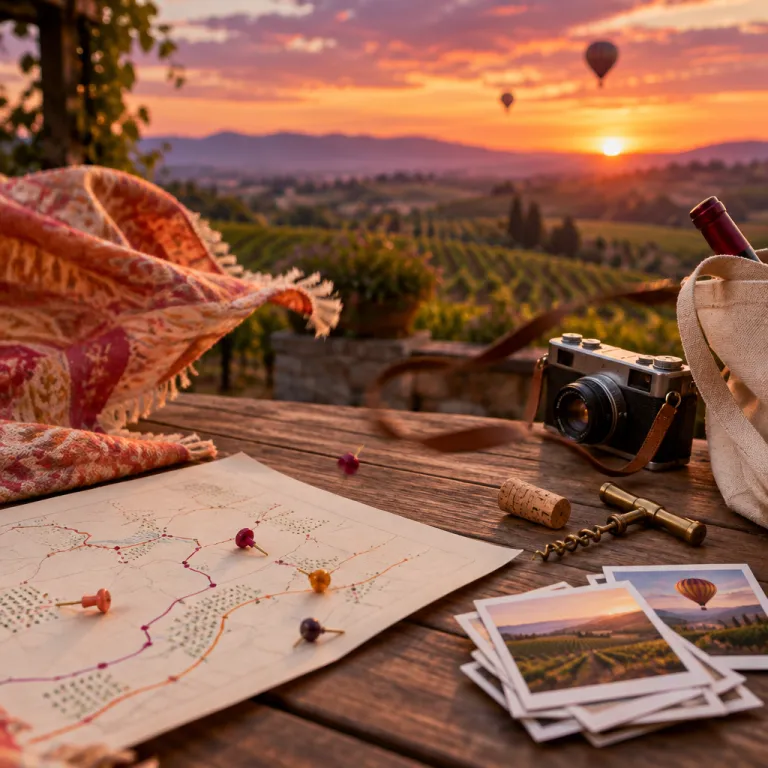
Planning your valley trip around the best things to do in Napa Valley
Choosing a hotel in Napa Valley is easier when you first map out the most meaningful things to do in Napa Valley and nearby wine country towns. By deciding whether your valley trip will focus on wine tasting, outdoor adventures, or relaxed family friendly downtime, you can select a property located close to the experiences that matter most. Many of the finest stays sit between the city of Napa and the small towns of Yountville, St. Helena, and Calistoga, giving you efficient access to vineyards, restaurants, and the Napa River.
For guests arriving from San Francisco, the drive into northern California wine country sets the tone for your Napa escape. You pass rolling hills, historic winery estates such as Robert Mondavi Winery in Oakville, and parks where kids can stretch their legs before check in, which makes the journey feel like part of the holiday rather than a transfer. Once you reach downtown Napa or a quiet resort spa in the upper valley, you will immediately see how the landscape shapes every aspect of local food, wines, and leisure.
When planning the timing of your valley trip, remember that Napa Valley offers distinct moods in every season. Local tourism experts note that “fall during the grape harvest offers a unique experience,” yet spring brings bright green vineyards and softer light that many photographers love. Whatever time you choose to visit, book winery tours in advance, arrange safe transportation for wine tasting days, and allow at least one unscheduled day simply to experience Napa at your own pace.
Wine tasting, wineries, and the Napa Valley Wine Train
For many travellers, the most iconic things to do in Napa Valley revolve around wine tasting and vineyard visits. According to Visit Napa Valley and Napa Valley Vintners, more than four hundred wineries open their doors to visitors across the valley, from family friendly estates near downtown Napa to historic winery properties around St. Helena and Calistoga. To experience Napa with minimal driving, consider staying in a hotel with easy access to the Napa Valley Wine Train station, then pairing a rail journey with guided tastings at several wineries in a single day.
On board the Napa Valley Wine Train, multi course meals showcase local food while panoramic windows frame rows of cabernet sauvignon vines and other classic grapes. This is an elegant way to understand how soil, climate, and careful cellar work shape the character of each wine, especially when sommeliers explain the differences between cabernet sauvignon from various parts of the valley. Typical tasting fees at wineries range from about $30 to $80 per person, and if you book a premium suite category on the train or in a nearby hotel, you will enjoy extra space to relax after a long day of tastings.
Many estates now design wine tasting experiences that welcome both adults and kids, with lawn games, picnic areas, and non alcoholic grape juices. When you visit Napa with a family, look for wineries that clearly describe themselves as family friendly, such as Castello di Amorosa or Frog’s Leap, and confirm whether advance reservations are required for your chosen time. The official guidance from local tourism bodies is clear: “Yes, many wineries require advance reservations,” so align your tasting schedule with your hotel location and any pre arranged driver or rideshare plans to avoid unnecessary driving.
Culinary things Napa travellers love: from Oxbow Public Market to CIA Copia
Food focused travellers often find that the most memorable things to do in Napa Valley happen at the table rather than in the cellar. In downtown Napa, Oxbow Public Market brings together artisan cheese counters, oyster bars, coffee roasters, and casual food stalls, all located under one lively roof beside the Napa River. This public market is ideal for a relaxed lunch with kids, a quick breakfast before a wine tasting tour, or a low key dinner when you return tired from a long valley trip.
Just a short walk away, CIA Copia serves as both a restaurant and a culinary education hub, with classes, tastings, and events that deepen your understanding of northern California ingredients. When you experience Napa through a hands on cooking session at CIA Copia, you will see how local wines pair with seasonal produce, olive oil, and artisan bread in ways that feel both refined and approachable. Hotels located near downtown Napa make it easy to stroll between the public market, the riverfront, and evening reservations at a favourite restaurant without needing to drive.
Across the wider valley, more than one hundred twenty five restaurants showcase farm to table cooking that reflects the agricultural richness of California, a figure supported by Visit Napa Valley and the California Travel and Tourism Commission. In Yountville, for example, celebrated dining rooms such as The French Laundry and Bouchon Bistro sit close to tasting rooms and boutique inns, while some resort spa properties in Calistoga and St. Helena offer on site dining rooms where chefs design menus around specific wines, allowing you to enjoy a full tasting menu and then simply walk back to your premium suite accommodation. When travelling with a family, ask in advance whether the restaurant has a dedicated kids menu, high chairs, and outdoor seating, which can transform a special meal into a relaxed, family friendly occasion.
Outdoor adventures, parks, and the historic Bale Grist Mill
Not every traveller realises that many of the most rewarding things to do in Napa Valley take place far from a tasting bar. The region offers hiking trails, cycling routes, and river activities that allow you to experience Napa as a living landscape rather than just a series of wineries. When choosing a hotel, consider how close it is located to your preferred park, trailhead, or outdoor activity provider, especially if you plan to spend a full day outside.
Families often appreciate the gentle riverside paths along the Napa River, where kids can run, cycle, or simply watch kayakers glide past. Several parks near St. Helena and Calistoga provide picnic tables, playgrounds, and open lawns, making them ideal for a midday break between wine tasting appointments. If your valley trip includes multiple generations, a resort spa with a pool and easy access to a nearby park can balance adult relaxation with family friendly fun.
History enthusiasts should not miss Bale Grist Mill State Historic Park, where the carefully restored Bale Grist Mill demonstrates traditional grain milling techniques. This historic site offers guided tours on selected days, and the surrounding parkland provides shaded trails that are suitable for both adults and kids. When you visit Napa with an interest in heritage, pairing the Bale Grist Mill with a tour of a nearby historic winery such as Beringer Vineyards creates a satisfying, story rich day that goes beyond the glass.
Spa culture, resort stays, and choosing the right hotel location
Wellness is woven into the fabric of Napa Valley, especially in Calistoga where geothermal springs and mud baths have attracted visitors for generations. Many resort spa properties here offer thermal pools, mineral rich treatments, and tranquil gardens, which can be especially appealing after several intense wine tasting days. If you plan to split your time between vineyard tours and spa sessions, consider spending part of your stay in downtown Napa and part in a Calistoga resort spa to experience Napa from two distinct perspectives.
When evaluating hotels, look closely at how each property is located relative to your planned activities and dining reservations. A central address in the city of Napa works well if you want to walk to Oxbow Public Market, CIA Copia, and the riverfront restaurant scene each evening. By contrast, a countryside inn near St. Helena or a hillside retreat above the valley will place you closer to certain wineries, hiking trails, and the quieter rhythms of northern California life.
Room configuration matters as much as location, especially for families and small groups. A spacious suite category can provide separate sleeping areas for kids, a sitting room for late night conversations, and sometimes a small kitchen for simple food preparation. When you book, ask whether the property offers family friendly amenities such as cribs, connecting rooms, supervised kids activities, and partnerships with local car services or tour operators, which can transform your valley trip from merely pleasant into genuinely effortless.
Designing a balanced itinerary of things to do in Napa Valley
A thoughtfully structured itinerary will help you enjoy the full spectrum of things to do in Napa Valley without feeling rushed. Aim to alternate wine focused days with lighter schedules that feature parks, historic sites, or leisurely meals at a favourite restaurant. This rhythm allows your palate and your energy levels to reset, which is especially important when travelling with kids or extended family members.
One classic pattern is to begin with a relaxed arrival day in downtown Napa, exploring the public market, strolling along the Napa River, and perhaps enjoying a casual wine tasting flight. The next day, you might dedicate your time to a guided tour of several wineries near St. Helena, followed by dinner at a countryside restaurant that highlights local wines. On the third day, shift north to Calistoga for a resort spa stay, a visit to Bale Grist Mill State Historic Park, and an early night in your premium suite room before returning to San Francisco.
Throughout your valley trip, keep logistics simple by grouping activities by area and limiting the number of winery visits per day. Three thoughtfully chosen wineries, one excellent meal, and a short walk in a nearby park will often feel richer than a crowded schedule of tastings. By aligning your hotel choices with this measured pace and using pre booked drivers, rideshares, or hotel shuttles where needed, you will experience Napa as a place of depth and character rather than just a checklist of attractions.
Key figures that shape the Napa Valley experience
- Napa Valley is home to more than four hundred wineries, a number reported by Visit Napa Valley and Napa Valley Vintners, which means visitors can design highly personalised wine tasting days that match their preferred styles and levels of expertise.
- There are over one hundred twenty five restaurants across the valley, according to regional tourism data, giving travellers a wide range of food options from casual public market stalls to refined dining rooms attached to historic winery estates.
- Tourism activities operate year round, with distinct seasonal highlights such as spring vineyard bloom, summer outdoor events, autumn harvest, and cosy winter tastings in intimate cellars.
- Local tourism strategies emphasise sustainable wine production, farm to table dining, and wellness tourism, which together support both the regional economy and the long term health of the landscape.
FAQ about planning things to do in Napa Valley
What is the best time to visit Napa Valley for a first trip?
Autumn during the grape harvest offers particularly vivid colours, active wineries, and a strong sense of seasonal energy. Spring is also appealing, with fewer crowds, fresh greenery, and comfortable temperatures for outdoor activities. Both seasons work well, so align your choice with hotel availability, tasting room reservation options, and your tolerance for busier winery schedules.
Are there non wine activities suitable for kids and families?
Yes, families will find plenty of non wine things to do in Napa Valley, including riverside walks, parks, cycling routes, and visits to Bale Grist Mill State Historic Park. Many hotels offer pools and lawns where kids can play, while downtown Napa provides easy access to casual food at Oxbow Public Market. When planning, look for family friendly language in activity descriptions, check whether helmets or gear are provided for bike rentals, and confirm age policies directly with providers.
Do I need reservations for winery tours and tastings?
In most cases, you do need reservations, especially at popular wineries and during peak seasons. Local guidance is explicit: “Yes, many wineries require advance reservations,” so it is wise to secure your preferred times before finalising transport and restaurant bookings. Same day walk in tastings are sometimes possible, but they should be treated as a bonus rather than a guarantee.
Can I enjoy Napa Valley without renting a car?
It is possible, particularly if you base yourself in downtown Napa or near the Wine Train station and rely on guided tours, rideshare services, and hotel shuttles. However, a car offers more flexibility for exploring parks, historic sites, and wineries spread across the valley. Travellers who prefer not to drive after tastings should prioritise centrally located hotels and pre arranged transportation such as private drivers or group tour shuttles.
How many days should I plan for a comfortable valley trip?
A stay of three to four nights usually allows enough time to explore downtown Napa, visit several wineries near St. Helena and Calistoga, and enjoy at least one resort spa or outdoor day. Shorter visits can still be rewarding if you focus on a single area and keep your schedule light. Longer trips work well for travellers who want to combine wine, food, wellness, and family friendly activities at a slower pace.
Trusted references
- Visit Napa Valley official tourism information
- California Travel and Tourism Commission resources
- Napa Valley Vintners regional wine trade association