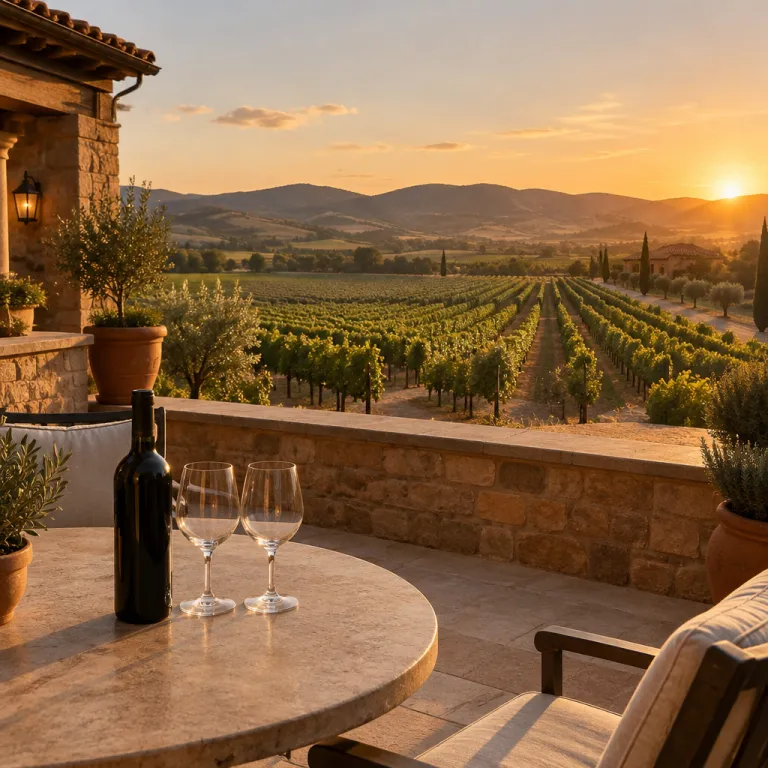
What defines the best Napa Valley cabernet sauvignon during a hotel stay
Staying in Napa Valley places you within minutes of estates that shape the best Napa Valley cabernet sauvignon. Top cabernet from Napa is defined by precise vineyard sites, careful use of French oak, and a structure of ripe tannins that still feels polished enough to drink in a hotel lounge. As one leading answer from regional experts states, “What defines a top Napa Cabernet Sauvignon? Site terroir, vine age, oak treatment, structure and balance”.
When you book a hotel in Napa Valley, you are choosing a base between legendary areas such as Oakville, Rutherford, Stags Leap District, Yountville, and Howell Mountain. Each of these Napa Valley districts gives cabernet sauvignon a different color, fruit profile, and texture, which matters if you plan curated wine tasting experiences around your check in and check out times. Oakville often delivers valley cabernet with black cherry and cassis fruit, while Howell Mountain tends to produce more full bodied wines with firmer tannins and higher vintage score potential.
Producers like Opus One in Oakville, Dominus Estate near Yountville, and Stag’s Leap Wine Cellars in Stags Leap District anchor any serious list of the best Napa cabernet. Their estate cabernet wines show how a long growing season and meticulous work with cabernet franc, petit verdot, and other grapes can create a refined blend cabernet that still reflects its precise Napa Valley origin. When you compare a Napa cabernet sauvignon from these addresses with a more regular valley cabernet at a lower price, you start to understand how terroir, oak regime, and time in bottle shape both the drink and the final score.
Choosing a hotel location for curated cabernet tasting itineraries
Your hotel address in Napa Valley quietly dictates which cabernet sauvignon estates you can reach within a short drive. Guests who stay near downtown Napa gain quick access to tasting rooms pouring California Napa wines from across the region, while those based in Yountville or Oakville sit closer to vineyard estates where you can walk among the vines before you drink. This choice becomes crucial if you want a curated schedule that balances cellar visits, restaurant reservations, and time to relax with a glass of valley cabernet back at the property.
For travelers focused on the best Napa Valley cabernet sauvignon, a stay near Oakville places you between Opus One, Groth Vineyards, and Heitz Cellar’s Martha’s Vineyard cabernet, each known for deep black fruit, layered tannins, and careful French oak aging. Stags Leap District hotels position you near Shafer Vineyards and Stag’s Leap Wine Cellars, where hillside plots and rocky soils give more full bodied Napa cabernet with a distinctive structure and often a high vintage score from critics. If you prefer cooler nights and more lifted fruit character, consider a base that allows easy access to Howell Mountain, where the growing season and elevation combine to produce wines with vivid color and long aging potential.
Many higher end hotels now work with sommeliers who can arrange private wine itineraries that match your preferences for price, style, and time on the road. Some concierge teams even curate routes that emphasize specific grapes such as cabernet franc or petit verdot within a blend cabernet, so you can compare how each component shapes the final drink. To deepen this approach, read guides that encourage you to drink less and choose better, such as this perspective on why Napa’s best days now happen behind the glass, then ask your hotel to align tastings with that philosophy.
How to read price, score, and vintage when booking wine focused stays
When you plan a hotel stay around the best Napa Valley cabernet sauvignon, understanding price, score, and vintage helps you build a realistic tasting budget. Napa cabernet now spans a wide range, from regular price bottles around modest sums to estate cabernet at a sale price that still feels aspirational for many travelers. Because Napa Valley produces only a small share of California wine volume, the limited supply and strong global demand push the price of top wines higher than many other regions.
Critic ratings and vintage score summaries can guide you, but they should not replace your own palate. A high score on a Napa cabernet from a warm growing season might signal lush black fruit and softer tannins, while a cooler year could give more restrained color and firmer structure that needs time in bottle. When you sit with a sommelier at your hotel bar, ask them to explain why a particular cabernet sauvignon from Oakville or Howell Mountain commands its regular price, and whether a current sale price on another label reflects a genuine value or simply a promotion.
Many wineries now host special weekends where they release a new vintage of Napa cabernet, often timed with hotel packages that include transport and reserved tastings. If you are keen to taste the best Napa Valley cabernet sauvignon as soon as it reaches the market, look for events such as cabernet release weekends for Bay Area travelers and ask your hotel to secure tickets. During these events, you can compare multiple wines side by side, note how black cherries, plum, and other fruit tones vary between estates, and decide which bottles justify their price for your cellar at home.
Designing curated cabernet tasting experiences from your hotel
A thoughtfully planned tasting day begins in your hotel room, where you map a route that respects both distance and your own capacity to drink. Aim for three to four winery visits at most, with time for a proper meal and a return to the hotel before dinner, so the best Napa Valley cabernet sauvignon remains a pleasure rather than a blur. Many concierges maintain relationships with estates that limit public appointments, which can open doors to more intimate tastings of estate cabernet and small lot blend cabernet wines.
Consider structuring one day around valley floor sites such as Oakville and Rutherford, where the wines often show generous black fruit, supple tannins, and a plush texture that feels immediately appealing. A second day might focus on hillside or mountain areas like Howell Mountain, where the growing season, elevation, and rocky soils create more full bodied Napa cabernet with higher acidity, darker color, and a profile that rewards aging. By tasting cabernet sauvignon from Oakville alongside Howell Mountain cabernet, you will sense how Napa Valley contains multiple styles within a relatively compact area.
For guests who appreciate detail, ask for curated flights that highlight specific grapes within the blend, such as cabernet franc or petit verdot, so you can see how they contribute spice, structure, or floral notes. Some estates will pour both current release and older vintage wines, allowing you to compare how tannins soften and black cherries evolve into more complex flavors over time. When you return to your hotel, take notes on each wine’s score, price, and character, then click through winery lists later if you decide to order bottles at a favorable sale price for shipment home.
Food, cabernet pairings, and evening experiences around your hotel
Evenings in Napa Valley offer a chance to translate daytime tastings into memorable meals that highlight the best Napa Valley cabernet sauvignon. Many hotels partner with nearby restaurants to create menus that match local cabernet with dishes such as grilled beef, lamb, or rich mushroom preparations, which soften tannins and frame the wine’s fruit. When you review menus, pay attention to how sommeliers describe the color, body, and oak influence of each Napa cabernet, because these clues help you choose a bottle that suits your palate and your budget.
Some properties host on site dinners featuring producers like Grgich Hills, where you might taste an estate cabernet alongside other Napa Valley wines in a guided format. These evenings often compare valley cabernet with hillside or Howell Mountain examples, showing how the growing season and site shape black cherry flavors, acidity, and structure. If you enjoy more nuanced wines, ask whether the list includes cabernet franc based blends or cabernet sauvignon from cooler pockets of California Napa, which can offer a fresher style at a more approachable regular price.
For travelers willing to drive a little farther, regional guides highlight special events such as crush season dinners, oyster pairings, and black tie gatherings at historic estates. One useful resource is this overview of crush season dinners worth the drive, which can help you align your hotel booking with standout culinary experiences. During these evenings, you will often taste multiple vintages of Napa cabernet side by side, compare vintage score trends, and decide which wines merit a click on the order form at their current sale price.
Practical tips for buying and shipping Napa cabernet from your hotel
Once you have identified your personal best Napa Valley cabernet sauvignon, the next step is deciding what to buy and how to ship it home safely. Many wineries now offer mixed cases that combine cabernet sauvignon, cabernet franc, and petit verdot based wines, allowing you to explore different blends without committing to a full case of a single label. Ask your hotel concierge to help coordinate shipping, because they often know which carriers handle Napa Valley wines reliably in various seasons.
When you evaluate a potential purchase, consider both the regular price and any current sale price, but also think about when you plan to drink the wine. A young, full bodied Napa cabernet from Howell Mountain with dense black fruit and firm tannins may need several years before it shows its best, while a softer valley cabernet from Oakville might be ready soon after release. If a winery provides a vintage score chart, use it as one data point, then rely on your own impressions from tastings at the estate or back at your hotel bar.
Color and structure can also guide your decisions, especially if you are new to collecting. Wines with very deep color, pronounced tannins, and strong oak notes often benefit from more time in bottle, while those with medium color and silkier textures can be enjoyed sooner with food. Before you click to finalize any online order from your room, confirm shipping regulations to your home region and ask whether the estate offers weather safe timing, so the best Napa Valley cabernet sauvignon you selected in Napa arrives in perfect condition.
Key figures that shape Napa Valley cabernet and your stay
- Industry summaries suggest that around 40 % of Napa’s vineyard area is planted to cabernet sauvignon, according to regional producer associations, which explains why so many hotel experiences revolve around this grape.
- Recent wine economics reports indicate that Napa Valley produces roughly 4 % of California’s total wine volume, yet it commands a far higher share of attention and price due to quality and scarcity.
- Premium cabernet wines priced above 75 dollars often show Napa accounting for about 30 % of sales within California, based on premium wine market data, which underlines the region’s dominance in the high end segment.
- Recent assessments describe the most recent Napa Valley vintage as highly acclaimed across multiple AVAs, with particular strength in mountain sites, which supports the growing interest in Howell Mountain and other elevated areas among hotel guests.
FAQ about Napa Valley cabernet focused hotel stays
What defines a top Napa Valley cabernet for visitors staying in hotels ?
For travelers, a top Napa Valley cabernet combines clear site expression, balanced tannins, and enough freshness to enjoy both at winery tastings and in a hotel bar. Look for wines from respected AVAs such as Oakville, Rutherford, Stags Leap District, Yountville, and Howell Mountain, where producers consistently deliver high quality. Estate cabernet from addresses like Opus One, Dominus Estate, Shafer Vineyards, Groth Vineyards, Caymus Vineyards, and Heitz Cellar often meets these criteria.
Which Napa Valley areas are best for cabernet focused itineraries ?
Oakville and Rutherford are classic choices for valley cabernet with generous black fruit and supple textures, ideal for guests who want approachable wines during a short stay. Stags Leap District offers more structured yet elegant cabernet, while Howell Mountain delivers full bodied, age worthy wines with higher acidity and darker color. Choosing a hotel near these AVAs reduces driving time and allows more relaxed, curated tasting days.
Can I find good Napa cabernet at lower prices during my trip ?
Yes, several producers offer Napa cabernet under 50 dollars that still reflects regional character, such as recent releases from Chateau Buena Vista, St. Supéry, and Black Stallion. These wines often show ripe fruit and moderate oak, making them suitable for immediate drinking in casual hotel settings. Ask tasting room staff or hotel sommeliers to point you toward current sale price offers or strong value labels from recent vintages.
How far in advance should I book tastings from my hotel ?
For well known estates producing the best Napa Valley cabernet sauvignon, reservations often fill several weeks ahead, especially during harvest and major release weekends. Once your hotel booking is confirmed, contact the concierge to secure appointments at priority wineries and to design a route that limits daily driving distances. More flexible travelers can sometimes add smaller, lesser known producers at shorter notice, which can lead to pleasantly surprising tastings.
Is it better to ship Napa cabernet home or carry it in luggage ?
Shipping is usually safer for valuable Napa Valley wines, particularly full bodied cabernet that you plan to age, because professional shippers use sturdy packaging and can time deliveries around extreme temperatures. Carrying bottles in checked luggage can work for a few lower price wines, but it requires careful packing and awareness of airline weight limits. Your hotel and the wineries you visit can advise on the most reliable shipping options for your home region.