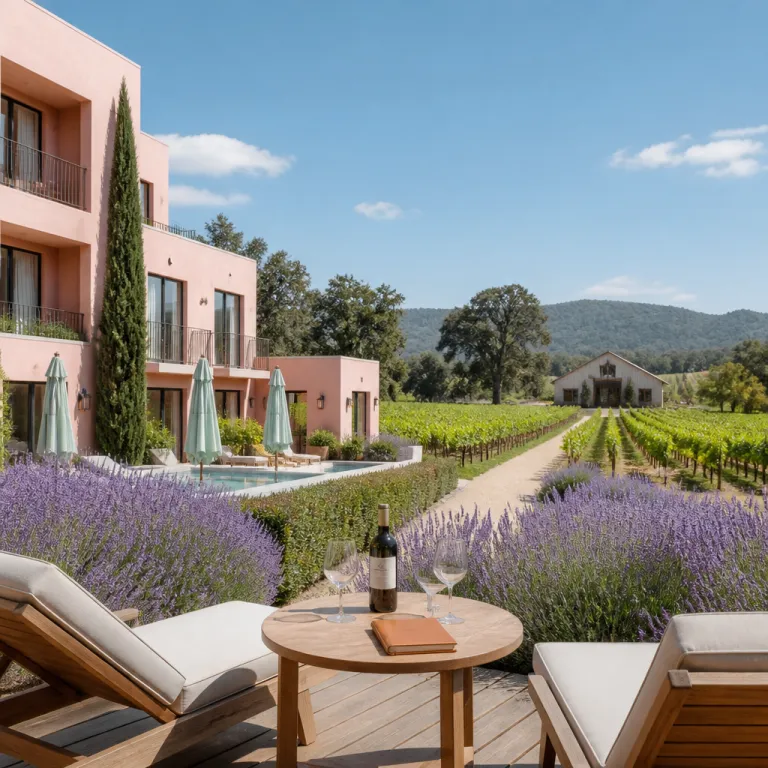
Designing a napa valley wine tasting itinerary around your hotel stay
Choosing the right hotel in Napa shapes every wine tasting experience you will have. When you plan a napa valley wine tasting itinerary, think first about where you will sleep, wake, and step out into wine country calm. A well located hotel lets you move easily between vineyards, tasting rooms, and downtown Napa restaurants in a single day.
For many travellers, the best strategy is to stay in or near downtown Napa, then build a flexible valley itinerary that radiates out to nearby wineries and vineyards in the surrounding hills. This approach keeps driving time short, gives you quick access to tasting rooms, and makes it easy to return to your hotel for a rest between wine tastings or before dinner. If you prefer a quieter atmosphere, consider a hotel closer to Calistoga and design a day route that moves slowly south through the valley wine landscape.
Think about how many days you have in Napa, and how much time you want to spend at each winery or on each wine tour. A refined napa valley wine tasting itinerary usually includes no more than three or four wineries per day, leaving space for a relaxed lunch and perhaps a late afternoon walk through vineyards near your hotel. This balance keeps your trip focused on quality wine tasting rather than rushed checklists of wineries.
Where to stay in napa for effortless access to wineries and vineyards
Staying in downtown Napa places you close to the riverfront, the wine train station, and a dense cluster of tasting rooms that pour wines from across the valley. From a hotel here, you can start your day on foot, enjoy a morning wine tasting flight, then join an afternoon wine tour that collects you directly from downtown Napa. This style of stay suits travellers who want to minimise driving and maximise time spent enjoying wine, food, and conversation.
If your napa valley wine tasting itinerary leans toward spa time and scenic drives, basing your trip near Calistoga can be ideal for you. Hotels in and around Calistoga sit close to geothermal pools, hillside vineyards, and some of the best valley wine views, which makes it easy to pair a late morning tasting with an afternoon soak or a gentle walk. From here, you can visit Napa further south on another day, using a planned valley itinerary that follows the Silverado Trail or Highway 29 back toward downtown.
Some guests prefer to split their days between two bases, spending the first night in downtown Napa and the second near Calistoga or St Helena. This two centre approach lets you experience both the energy of downtown tasting rooms and the quiet of rural wineries without long return drives each day. Whatever you choose, confirm that your hotel concierge can help with wine tour reservations, transportation, and timing so your napa valley wine tasting itinerary runs smoothly.
A one day napa valley wine tasting itinerary focused on sustainability
For travellers who want a curated, eco conscious day in Napa, a one day napa valley wine tasting itinerary built around sustainable estates works beautifully. Start your morning at St. Supéry Estate Vineyards & Winery in the heart of Napa Valley, where guided wine tastings highlight Sauvignon Blanc and often include a thoughtful Veggies and Vino pairing. Expect to spend about 75 to 90 minutes here and a tasting fee that typically ranges from roughly $45 to $65 per person, depending on the flight you choose.
Late morning, continue your tour to Alpha Omega, a winery known for terrace tastings of Chardonnay and Cabernet Sauvignon that overlook manicured vineyards and water features. The drive from St. Supéry to Alpha Omega usually takes about 10 to 15 minutes along Highway 29 in normal traffic. Allow generous time here to compare different wines side by side, ask about cellar techniques, and understand how valley wine styles shift from one site to another. After this tasting, your itinerary should include a short drive of about fifteen minutes and a relaxed lunch so that your palate and energy both stay fresh.
Plan lunch at Long Meadow Ranch Winery, where farmhouse tastings meet farm to table cuisine in a setting that feels both refined and grounded. Here, your wine tasting flows naturally into a meal built around seasonal produce, which anchors the entire experience in the agricultural rhythm of Napa Valley. By mid afternoon, you can choose either an additional winery visit nearby or quiet time back at your hotel before an evening stroll through downtown Napa.
Balancing wine tastings, lunch, and transport in your valley itinerary
A sophisticated napa valley wine tasting itinerary respects both your palate and your energy, which means planning around lunch and transport as carefully as around wineries. Aim to schedule your first wine tasting no earlier than mid morning, then reserve a proper lunch stop after your second visit so that food and water balance the wines. Many wineries now offer food pairings, but a dedicated meal at a restaurant or at Long Meadow Ranch Winery can anchor the day.
Transport is central to any safe trip in wine country, especially if you plan several wine tastings in one day. Consider hiring a private driver, joining a small group wine tour, or using transportation arranged through your hotel so that you never need to worry about driving between vineyards. This approach lets you fully enjoy each winery experience, from cellar tours to terrace tastings, without watching the clock or counting glasses.
Some visitors like to include the wine train as part of their valley itinerary, using it for either lunch or dinner while the train glides through vineyards. If you choose this option, build the wine train into a lighter tasting day, perhaps with only one winery visit before or after the journey. Always confirm timing in advance, because the best reservations and carriage classes often sell out quickly during peak time visit periods.
Layering in signature napa experiences beyond the tasting rooms
While wine tasting is the heart of any napa valley wine tasting itinerary, the most memorable trips weave in experiences that show the valley from new angles. A sunrise hot air balloon flight over Napa Valley, for example, reveals vineyards, wineries, and the river in soft early light before the day warms. Many operators include transport from central hotels, which makes it easy to return for breakfast before your first winery visit.
Travellers coming from the Bay Area or San Francisco often underestimate how much time they will spend simply absorbing the landscape of wine country. Plan at least two full days in Napa if you can, with one day focused on structured wine tastings and another left more open for walking, shopping, or a leisurely tour of art installations and gardens at various wineries. This slower rhythm lets you appreciate both the wines and the culture that has grown around them over decades.
Downtown Napa itself deserves a dedicated evening in your valley itinerary, with its riverfront promenade, tasting rooms, and restaurants that showcase local wines by the glass. After a day spent among vineyards, returning to your hotel, changing, and then strolling into downtown Napa for dinner feels both relaxed and indulgent. It is here, with a glass of valley wine in hand, that many guests start planning their next visit almost without realising it.
Practical timing, reservations, and budgeting for your napa stay
Thoughtful planning turns a simple trip into a polished napa valley wine tasting itinerary that feels effortless from the moment you arrive. Make reservations in advance, limit to 3-4 wineries per day, ensure a designated driver or transportation service, stay hydrated and eat between tastings. These guidelines, widely recommended by local experts, protect both your safety and your enjoyment.
Most wineries now require reservations for wine tastings, especially for seated experiences, food pairings, or vineyard tours. Contact each winery directly or ask your hotel concierge to coordinate an itinerary that spaces appointments at least ninety minutes apart, leaving time for travel and unhurried conversations. Remember that the average tasting fee at a leading estate can approach the cost of a fine restaurant lunch, so budget accordingly for each day you spend in wine country.
Visitors often ask how many wineries they should include in a single day, and local guidance is clear. How many wineries should I visit in a day? Limit to 3-4 wineries to fully enjoy each experience. Do I need reservations for wine tastings? Yes, most Napa Valley wineries require reservations. Is there transportation available between wineries? Yes, various transportation services offer winery tours.
Key figures that shape a refined napa valley wine tasting itinerary
- Tasting fees at flagship estates such as Robert Mondavi Winery can be significant, so a day with three seated tastings may easily match the cost of a high end dinner for two.
- Industry data from the California Grape Crush Report shows that Napa Valley Cabernet Sauvignon grapes command some of the highest prices in California, underlining why valley wine from top vineyards is often positioned at premium levels.
- Most local tourism boards and transport providers recommend limiting your schedule to three or four wineries per day, because this pacing allows at least 60 to 90 minutes at each stop for tastings, tours, and questions.
- Many curated wine tour operators now dedicate at least one third of their itineraries to estates with certified sustainable or organic practices, reflecting a clear shift in traveller demand toward environmentally responsible wine country experiences.
FAQ about planning a napa valley wine tasting itinerary and hotel stay
How many wineries should I plan to visit in one day?
Plan to visit no more than three or four wineries in a single day so that you have enough time for seated tastings, vineyard walks, and questions without feeling rushed. This pacing also leaves space for a proper lunch and a short rest back at your hotel if needed. Quality of experience always outweighs the number of stops in Napa Valley.
Do I really need reservations for wine tastings in Napa Valley?
Reservations are now standard for most wine tastings, especially at well known wineries and for any experience that includes food or a guided tour. Booking ahead secures your preferred time slots and allows the winery to prepare a tailored flight of wines for your group. Same day walk ins are sometimes possible in downtown tasting rooms, but you should not rely on them during busy seasons.
What is the best area to stay in for a first trip?
For a first visit to Napa, staying in or near downtown Napa offers the most flexibility, with easy access to restaurants, the wine train, and many tasting rooms. From here, you can join organised wine tour services that collect you at your hotel and drive you to vineyards across the valley. Guests seeking a quieter atmosphere might prefer Calistoga or St Helena, then visit downtown on a separate day.
Is there transportation available between wineries if I do not want to drive?
Yes, a wide range of transportation services operate in Napa Valley, from private drivers and small group shuttles to curated wine tour companies that design full day routes. Many hotels maintain relationships with trusted providers and can arrange pick up and drop off directly from the lobby. Using these services lets you enjoy wine tastings without worrying about navigating or parking.
How far in advance should I plan my napa valley wine tasting itinerary?
For peak seasons and weekends, start planning your napa valley wine tasting itinerary at least several weeks in advance, especially if you want specific wineries or a hot air balloon flight. This lead time helps you secure preferred tasting times, restaurant reservations for lunch and dinner, and your ideal hotel room category. Travellers with flexible dates may find more last minute availability, but key experiences still book out quickly.
Trusted references for further planning
- California Grape Crush Report by the California Department of Food and Agriculture.
- Napa Valley Vintners trade association publications and visitor resources.
- Official visitor information from Visit Napa Valley.