Choosing where to stay in Napa Valley on a budget
Napa Valley on a budget starts with a smart choice of where you sleep. When you compare areas like downtown Napa, Calistoga, and the Silverado Trail corridor, you quickly see how location shapes both price and the style of your stay. Focus on simple, well maintained properties rather than design driven lodging, and you keep more room in your valley budget for wine tasting, food, and a few special splurges.
Staying in downtown Napa places you within walking distance of tasting rooms, casual restaurants, and the Napa Valley Vine Trail, which gives you a free way to explore vineyards without paying for parking or tours. In Calistoga, smaller inns near the hot springs and hot pools often bundle access to a spa or mineral bath with the room rate, which can be better value than paying for a separate spa day. Along Silverado Trail, accommodation is usually quieter and closer to vineyards and wineries, but you will need a car, rideshare, or e bike to reach most tasting rooms and restaurants.
For Napa wine lovers who want to visit Napa without overspending, midweek stays are your strongest ally. Prices in both downtown Napa and central Calistoga often drop from Sunday to Thursday, and wineries sometimes offer midweek wine tastings or a complimentary glass wine with a paid tasting. Always check flexible dates on booking engines, then call the property directly to ask whether they will match or improve the online rate for your chosen nights or add small extras such as parking or breakfast. Typical budget friendly rooms can range from about 150 to 250 US dollars per night midweek, rising significantly during peak harvest weekends when rates of 300 to 450 US dollars are common.
How to time your trip for the best value
Elegant ways to enjoy Napa Valley on a budget depend heavily on when you travel. Late autumn through early spring usually brings softer room rates, more relaxed tasting rooms, and a calmer pace across the valley, which suits travelers who prefer quiet evenings after wine tasting. Local tourism boards note that late fall to early spring offers better deals and fewer crowds, and weekdays are less crowded and cheaper than weekends.
During these off peak months, many wineries in Napa and Calistoga introduce valley budget promotions such as two for one tastings or reduced fees for advance reservations. Standard tasting fees at many estates often start around 30 to 60 US dollars per person, with higher prices for reserve or seated experiences that can reach 75 to 125 US dollars. When you check winery websites, look for mentions of free wine offers, waived fees with bottle purchases, or special tastings Napa events that include a tour of vineyards and cellars.
Weather in cooler months still suits walking through vineyards and exploring wine country, especially if you pack layers for crisp mornings and warm afternoons. Calistoga’s hot springs feel particularly inviting when the air is cool, and several properties include access to hot mineral pools in the nightly rate, which adds spa style relaxation without extra cost. If you are driving from San Francisco, plan to arrive on a Sunday or Monday, when traffic is lighter and many hotels and wineries will still have last minute availability at more favorable rates.
Smart strategies for wine tasting without overspending
Thoughtful planning turns wine tasting into the highlight of Napa Valley on a budget. Start by choosing a mix of larger wineries and smaller family owned vineyards, because their tasting fees, wine styles, and overall atmosphere can differ significantly. Aim for two or three wine tastings per day so you can appreciate the wines without rushing, and so your transport costs stay reasonable and your palate does not get overwhelmed.
Many wineries along Silverado Trail and around St Helena, including historic estates such as Beringer Vineyards (one of the oldest continuously operating wineries in Napa Valley, founded in 1876 according to the Beringer Vineyards historical archive), offer tiered tasting menus where tastings start at modest prices for classic flights and rise for reserve wines. If you are mainly curious about tasting Napa Cabernet Sauvignon or Chardonnay, the entry level flight often gives you a clear sense of the house style without stretching your budget. Some tasting rooms in downtown Napa and downtown Calistoga also provide shorter tastings Napa options, where you pay for a single glass wine or two pours instead of a full seated experience.
To keep costs down, always check whether a winery will waive the tasting fee if you buy a certain number of bottles, especially when you travel with friends. Shared tastings, where two people split one flight, are widely accepted at many tasting rooms and can halve the cost while still letting you sample several wines. Remember that free wine is rare, but you can sometimes enjoy complimentary pours at special events hosted by local tourism boards or during off season promotions in wine country.
Designing a food and wine friendly itinerary around your hotel
Where you base yourself in Napa Valley shapes how you eat and drink each day. A hotel in downtown Napa places you near a cluster of restaurants, tasting rooms, and markets, which makes it easier to enjoy wine with dinner without paying for long taxi rides. In Calistoga, many smaller properties sit within walking distance of both casual food spots and the main strip of downtown Calistoga tasting rooms.
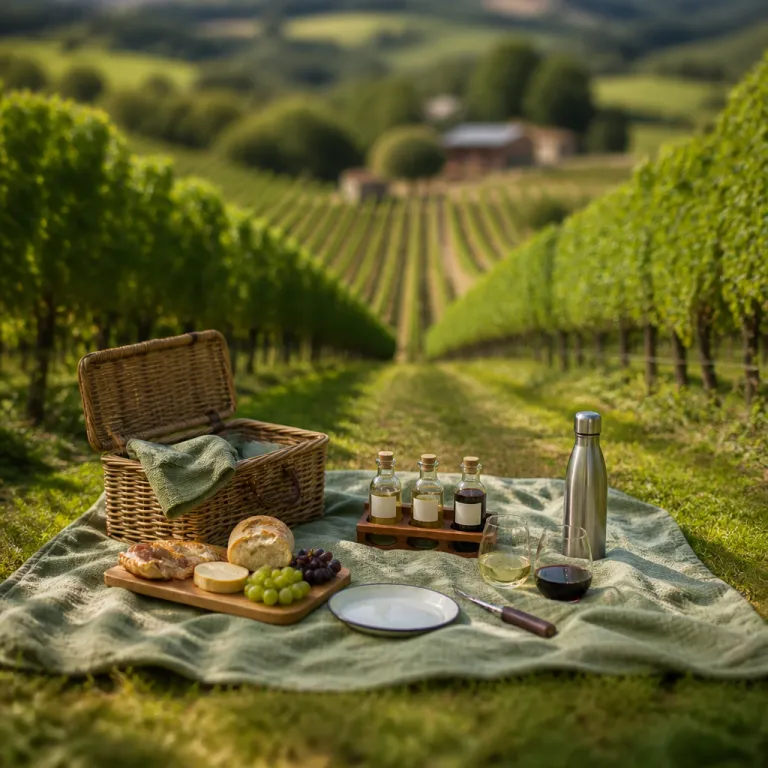
For travelers focused on Napa Valley on a budget, lunchtime is often the best moment to indulge in wine and food pairings. Several wineries offer midday tastings where tastings start with a simple cheese plate or shared charcuterie board, which can replace a full restaurant meal and keep your valley budget balanced. You can also visit farmers markets near Napa to assemble a picnic, then pair it with a bottle of Napa wine from a local winery while you relax beside vineyards or along the Napa River.
In the evening, look for early bird menus at restaurants in downtown Napa and Calistoga, where two or three course menus can cost less than ordering à la carte. Many wine bars offer flights of wines by the glass, allowing you to sample several Napa wine styles without committing to full bottles. When you check menus online, pay attention to corkage policies, because some places will let you bring a bottle purchased at a winery for a modest fee, which can be excellent value if you already visited vineyards earlier in the day.
Relaxation, spa experiences, and hot springs on a budget
Elegant travel in Napa Valley is not only about wine; it is also about rest. Calistoga is famous for its hot springs and geothermal mud, and many visitors come specifically for spa rituals that complement days of wine tasting. With careful planning, you can enjoy these hot and soothing experiences while still keeping your Napa Valley on a budget plan intact.
Several Calistoga hotels include access to hot mineral pools in the nightly rate, which means you can enjoy spa like relaxation every day without booking extra treatments. When you compare properties, check whether they offer day passes to their spa or hot pools, because this can be a cost effective way to enjoy facilities even if you stay elsewhere in the valley. Typical day passes to basic pool and sauna areas often fall in the 40 to 80 US dollar range, while full spa packages cost more but can sometimes be discounted midweek.
If you prefer to stay in downtown Napa or along Silverado Trail, look for hotels that provide simple wellness amenities such as a small pool, garden, or access to the Napa Valley Vine Trail for morning walks. These features may not be as dramatic as Calistoga’s hot springs, but they still add a restorative element to your visit Napa experience without extra fees. Balancing a day of wine tastings with an evening swim, a quiet stroll past vineyards, or a short visit to a modest spa will help you feel refreshed while respecting your valley budget.
Free and low cost ways to explore Napa wine country
Some of the most memorable moments in Napa Valley cost nothing at all. The Napa Valley Vine Trail offers free access to a scenic path that runs through vineyards and along the river, giving you a relaxed way to experience wine country between tastings. Are there free activities in Napa Valley? Yes, the Napa Valley Vine Trail offers free biking through scenic vineyards and easy access to viewpoints.
From a hotel in downtown Napa, you can walk or cycle to several tasting rooms, public art installations, and riverside parks, turning a simple stroll into a day of gentle exploration. In Calistoga, the compact layout of downtown Calistoga means you can wander between tasting rooms, cafés, and small shops without needing a car, which keeps both parking and transport costs low. When you visit Napa during quieter months, you may also find community events, outdoor concerts, or seasonal markets that provide free entertainment between wine tastings.
To deepen your understanding of Napa wine without paying for extra tours, read the detailed tasting notes often provided at wineries and ask staff about the vineyards you see from the terrace. Many tasting rooms share maps that show where their vineyards sit along Silverado Trail or in nearby sub valleys, which helps you connect each glass wine to a specific place. When is the best time to visit Napa Valley on a budget? Late fall to early spring offers better deals and fewer crowds. How can I find discounted wine tastings? Many wineries offer discounts during off peak seasons; check their websites or local tourism boards.
Key figures for planning Napa Valley on a budget
- The average cost of Napa Valley Cabernet Sauvignon grapes reached 8 770 US dollars per ton according to the California Grape Crush Report (a statewide industry summary of grape prices published annually by the California Department of Food and Agriculture), which helps explain why Napa wine often commands higher prices than wines from many other regions.
- Off peak travel from late autumn to early spring typically reduces hotel rates in Napa and Calistoga by a noticeable margin compared with peak harvest season, making this period ideal for travelers focused on a strict valley budget.
- Weekday stays in downtown Napa and downtown Calistoga often cost less than weekends, and this pattern extends to some wineries, where midweek wine tastings can be priced below Saturday sessions.
- The Napa Valley Vine Trail currently offers many kilometres of free access for walking and cycling, which can replace at least one paid tour during a short visit Napa itinerary.
FAQ about enjoying Napa Valley on a budget
When is the best time to visit Napa Valley on a budget ?
The most budget friendly period for Napa Valley runs from late autumn through early spring, outside the main harvest and summer holiday peaks. During these months, hotels in downtown Napa, Calistoga, and along Silverado Trail usually lower rates, and wineries may introduce discounted wine tastings. Weekday stays add further savings, especially for travelers coming from San Francisco who can avoid weekend surcharges.
Are there genuinely free things to do in Napa Valley ?
Yes, several activities in Napa Valley are completely free and still feel indulgent. The Napa Valley Vine Trail allows you to walk or cycle past vineyards without paying an entry fee, and many towns maintain riverside paths, public art, and small parks that you can enjoy between tastings. Window shopping in downtown Napa or downtown Calistoga, followed by a single glass wine at a casual bar, can be as satisfying as a full day of structured tours.
How can I find discounted or low cost wine tastings ?
To locate value focused wine tastings, start by checking winery websites for midweek offers, waived fees with bottle purchases, or shorter tastings Napa flights. Local tourism boards and visitor centres sometimes list promotions where tastings start at reduced prices, especially in the cooler months. Joining mailing lists for a few wineries you plan to visit Napa can also unlock limited time deals on tasting room experiences.
Is it better to stay in downtown Napa or Calistoga on a budget ?
Both downtown Napa and Calistoga work well for travelers watching their budget, but they suit different styles. Downtown Napa offers more restaurants, tasting rooms, and nightlife within walking distance, which can reduce transport costs if you plan several evenings out. Calistoga, by contrast, feels quieter and often includes access to hot springs or pools in the room rate, which can be ideal if you value spa style relaxation over late night options.
Do I need a car to explore Napa wine country affordably ?
A car gives you flexibility, but it is not essential for a budget conscious trip. If you stay in downtown Napa or downtown Calistoga, you can walk to many tasting rooms, restaurants, and shops, then use occasional rideshares for visits to nearby vineyards. Combining the free Napa Valley Vine Trail with a few organised tastings or small group tours can also keep transport costs manageable while still letting you experience the breadth of Napa wine country.