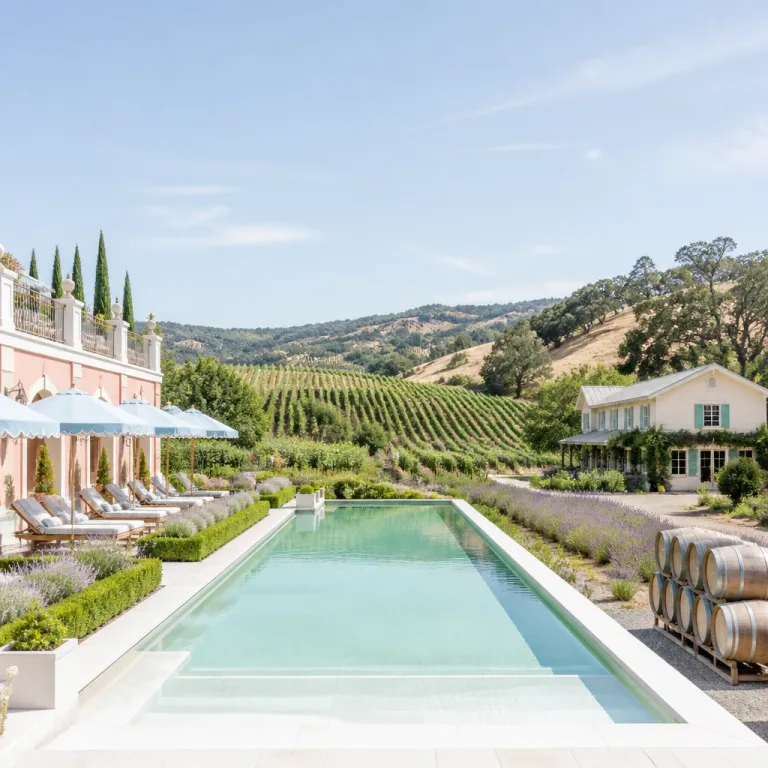
Understanding napa valley vs paso robles wine when you are booking a stay
Napa Valley vs Paso Robles wine is ultimately a question about how you want to feel on and off the vineyard. In Napa Valley you stay in a polished California wine environment where every detail, from landscaping to spa menus, is designed around cabernet sauvignon and elevated service, while Paso Robles offers a more relaxed wine country rhythm with rolling hills, oak trees, and winemakers pouring in casual tasting rooms. When you compare Napa and Paso as wine regions, you are really choosing between a compact, prestige driven valley and a wider, more rural region where driving distances are longer but crowds are lighter.
For someone choosing a hotel, the Napa Valley vs Paso Robles wine decision shapes how easily you can reach wineries, restaurants, and outdoor activities. Napa Valley sits within Napa County and is bordered by Sonoma County and the Napa–Sonoma corridor, so a single stay can place you close to multiple wine regions and even to pinot noir focused areas in nearby Sonoma. Paso Robles lies in San Luis Obispo County, and while the Paso region has grown fast, its wineries and tasting rooms are more spread out, which means your hotel choice and transport planning matter more if you want to fit several wine tasting experiences into one day.
Climate is another key factor when you weigh Napa Valley vs Paso Robles wine for vineyard tours and outdoor adventures. Napa Valley benefits from cooler marine influences that favor structured cabernet and elegant wines, while Paso Robles is warmer and better known for robust Rhône style wines and ripe Paso blends. If you plan to hike, cycle, or ride on horseback between wineries, you will generally find milder daytime temperatures in the northern Napa Valley wine region than in the hotter inland areas around Paso Robles during the peak of summer.
How napa valley hotels shape your vineyard tours and outdoor time
In Napa Valley, where cabernet sauvignon is king, many hotels operate almost like private gateways into the surrounding wine country. Properties along Highway 29 and the Silverado Trail often maintain close relationships with nearby wineries such as Robert Mondavi Winery, Opus One, and Stag's Leap Wine Cellars, so your concierge can secure wine tasting appointments, arrange transport between tasting rooms, and sometimes reduce tasting fees at partner winery estates. This tight connection between hotel and winery is one of the reasons Napa Valley vs Paso Robles wine experiences feel more curated when you stay in the heart of the valley.
Location inside the Napa Valley AVA matters if you want to combine tastings with outdoor adventures. A stay in Yountville or St. Helena places you near flat, scenic cycling routes, and many refined hotels can arrange guided Napa–Sonoma or Napa Valley bike wine tours that link vineyards, farm stands, and quiet backroads; for a detailed look at these options, see this guide to Napa Valley bike wine tours from refined hotels. If you prefer hiking, choosing a hotel closer to the northern part of the valley or near the Mayacamas foothills shortens your drive to trailheads while still keeping you close to cabernet focused wineries and classic California wine tasting rooms.
Seasonality also influences how your hotel supports vineyard tours in this region. Between January and March, mustard flowers blanket the vineyards and cooler temperatures make walking tours and outdoor tastings comfortable, while April through June brings longer days that are ideal for late afternoon wine tasting followed by dinners on shaded terraces. From September through December, many Napa Valley wineries host harvest or holiday events, and hotels such as Auberge du Soleil, Meadowood Napa Valley, and Bardessono often build packages that combine tastings, cellar tours, and transport so you can enjoy both the wines and the landscape without worrying about driving.
Why paso robles appeals to adventurous wine travelers
While Napa Valley is compact and polished, Paso Robles offers a more expansive wine region that rewards curious travelers who enjoy exploring backroads. The Paso area covers several distinct AVA zones, including cooler western hillsides and warmer eastern plains, and this diversity supports everything from structured cabernet to Rhône inspired wines and experimental blends. When you weigh Napa Valley vs Paso Robles wine, this sense of exploration is often what draws guests south to Paso, especially those who want to meet winemakers directly in relaxed tasting rooms.
Outdoor adventures in Paso Robles feel different from those in the northern valley. Many wineries sit on large ranch style properties, so a single winery visit can include hiking trails, picnic spots, and sometimes horseback riding, while the rolling topography creates sweeping views over vines and oak dotted hills. If you are comparing Paso–Napa itineraries, you might spend one day in Napa focusing on structured cabernet sauvignon and another day in Paso exploring Rhône varieties at estates such as Tablas Creek Vineyard or Justin Vineyards & Winery, then return to your chosen hotel base to relax before the next round of wine tasting.
Because distances between Paso Robles wineries can be longer, your accommodation strategy matters. Some travelers choose to stay in Napa Valley and book a private driver for a long day trip to Paso, while others split their time between the two regions to reduce time on the road and experience both wine regions at a gentler pace. For guests who prefer a fully hosted approach, curated private wine tours that start from refined Napa hotels can include tailored visits to both Napa Valley and Paso Robles; you can see how these services elevate a stay in this overview of private wine tours in Napa Valley.
Comparing grape styles, tasting rooms, and fees across the regions
One of the most practical ways to think about Napa Valley vs Paso Robles wine is to compare the grapes and styles you will encounter in each region. Napa Valley is globally associated with cabernet sauvignon, and many wineries here focus on structured, age worthy wines that reflect specific sub AVA districts such as Oakville, Rutherford, or Stags Leap, while chardonnay and merlot also play important roles. Paso Robles, by contrast, has built its reputation on Rhône inspired wines, zinfandel, and increasingly on cabernet, so a single day of wine tasting can move from syrah and grenache to robust Paso blends that feel more Mediterranean in character.
Tasting rooms in Napa Valley often emphasize design and hospitality, with landscaped gardens, art collections, and seated tastings that highlight limited production wines. This level of presentation, combined with high land values in the valley, means tasting fees in Napa can be significantly higher than in Paso Robles, especially at prestige winery addresses that pour rare cabernet sauvignon or single vineyard wines. In Paso, many tasting rooms remain more casual, and while fees have risen, they often include generous flight pours and relaxed conversations with winemakers or owners, which some guests prefer when comparing Napa Valley vs Paso Robles wine experiences.
Varietal diversity is another factor for travelers who enjoy exploring multiple wine regions in one trip. Staying in Napa County gives you easy access not only to cabernet focused Napa Valley wineries but also to pinot noir and chardonnay specialists in nearby Sonoma County, so a short drive can shift you from structured mountain cabernet to coastal pinot noir in the broader Napa–Sonoma corridor. If you base yourself closer to Paso Robles, you will find more Rhône style wines and experimental blends, but fewer cool climate pinot noir options unless you extend your journey toward the coast, which is why many guests choose a Napa Valley hotel as a central hub for exploring several California wine regions over a longer stay.
Seasonal timing: when napa valley vs paso robles wine shines for outdoor stays
Choosing between Napa Valley vs Paso Robles wine is easier when you match each region to the time of year you plan to travel. In Napa Valley, the shoulder seasons from January through March bring cool, clear days that are ideal for vineyard walks, cycling, and unhurried wine tasting, while the vines are either just waking up or still framed by bright mustard flowers. By late spring and early summer, temperatures rise but marine influences keep evenings pleasant, so you can enjoy late afternoon tastings followed by dinners outdoors without the intense heat that sometimes affects inland areas.
In Paso Robles, summer heat can be more pronounced, especially away from the cooling influence of the coast. This makes spring and autumn particularly attractive for outdoor adventures, when daytime temperatures are comfortable for hiking between vines, exploring winery trails, or enjoying picnics overlooking the region’s rolling hills and oak dotted landscapes. If you are planning a combined Paso–Napa itinerary, many travelers choose to spend the warmest days in the slightly cooler Napa Valley wine region and then head south to Paso when temperatures moderate, balancing both wine regions in a single California journey.
Late in the year, from September through December, both regions celebrate harvest and holiday seasons, but the atmosphere differs. Napa Valley often hosts polished events, winemaker dinners, and illuminated winery displays that pair well with a refined hotel stay, while Paso Robles leans into relaxed gatherings, live music, and casual tastings that feel more like a countryside festival. When you book your accommodation, ask how the property integrates seasonal events into its guest experience, because some Napa and Paso hotels offer shuttle services, special tasting room access, or curated wine country itineraries that can save you time and reduce transport costs.
Planning vineyard tours and outdoor adventures from your napa base
For travelers who decide that Napa Valley vs Paso Robles wine comparisons ultimately favor Napa as a base, careful planning can turn a good stay into an exceptional one. Start by mapping the Napa Valley AVA from Carneros in the south to Calistoga in the north, then group wineries by proximity so you can combine cabernet focused estates, sparkling wine houses, and smaller family run wineries without spending too much time in the car. Many hotels maintain preferred partnerships with local winery teams, which can translate into waived tasting fees, priority access to limited production wines, or reserved seating in popular tasting rooms.
Outdoor enthusiasts will find that Napa’s compact geography supports a wide range of activities without long transfers. You can cycle along the valley floor in the morning, stopping for a mid route wine tasting at a winery with bike friendly facilities, then head into the hills for a short hike with views over the entire region before returning to your hotel spa. If you prefer not to plan every detail yourself, some properties offer concierge designed wine country itineraries that combine visits to iconic cabernet sauvignon producers, smaller pinot noir specialists in nearby Sonoma, and even cross county excursions into Sonoma County to experience a different style of California wine.
Flexibility is essential if you want to enjoy spontaneous tastings as well. While many Napa Valley wineries now require reservations, there are still options for more relaxed visits, and your choice of accommodation can make a difference; for a deeper look at how this works, consult this guide to Napa Valley wine tasting without reservations. When you compare Napa–Sonoma and Paso–Napa itineraries, remember that a well located Napa hotel can serve as a central hub for exploring multiple wine regions over several days, allowing you to experience both the structure of Napa cabernet and the generosity of Paso and Rhône style wines without constantly changing your base.
Choosing the right napa hotel for your style of wine travel
Once you have weighed Napa Valley vs Paso Robles wine and decided to focus your stay in Napa, the next step is to align your hotel with how you like to explore. Guests who prioritize immersive wine tasting often prefer properties within walking distance of village centers such as Yountville, St. Helena, or Calistoga, where tasting rooms, restaurants, and wine bars cluster within a few hundred metres. This setup allows you to sample a range of Napa Valley and Sonoma wines, from structured cabernet sauvignon to elegant pinot noir, without needing a car in the evening.
If vineyard views and quiet mornings matter more, consider hotels set slightly away from town, surrounded by vines or overlooking the valley floor. These locations make it easy to start the day with a walk through nearby vineyards before heading out to winery appointments, and many such properties can arrange private drivers or small group tours that cover several wine regions in one outing. When you compare options, ask specifically about partnerships with wineries, typical tasting fees at recommended estates, and whether the concierge can secure access to limited production California wine releases that are not widely available outside the region.
Travelers who want to blend wine country with wellness or active pursuits should look for properties that offer on site fitness facilities, pools, and easy access to cycling or hiking routes. Some hotels collaborate with local guides to create Napa–Sonoma itineraries that combine coastal walks, forest trails, and vineyard visits, while others focus on culinary experiences that highlight seasonal produce alongside wines from Napa County and Sonoma County. By matching your accommodation to your preferred balance of wine tasting, outdoor adventure, and relaxation, you can ensure that your time in Napa Valley feels tailored, even if you also plan a side trip to Paso Robles to experience a different style of Paso wine and Rhône inspired blends.
Key figures that frame napa valley vs paso robles wine travel
- Napa Valley contains more than 400 physical wineries and over 700 wine brands, while Paso Robles is home to more than 200 wineries, which means Napa offers a denser concentration of tasting options within a smaller geographic area (Napa Valley Vintners and Paso Robles Wine Country Alliance, 2023).
- Napa County accounts for roughly 4 percent of California wine production by volume but a far higher share of its total wine value, highlighting why tasting fees and bottle prices are often higher in the valley than in other wine regions (California Wine Institute, 2022).
- Cabernet sauvignon represents around 50 percent of Napa Valley’s vineyard plantings, whereas in Paso Robles cabernet shares acreage with significant Rhône varieties such as syrah and grenache, which shapes the contrasting styles you encounter when comparing Napa Valley vs Paso Robles wine (Napa Valley Vintners and Paso Robles Wine Country Alliance).
- Sonoma County spans more than 18 distinct AVA zones and produces a large share of California’s pinot noir and chardonnay, making it a key complement to Napa for travelers who want to experience multiple wine regions from a single hotel base (Sonoma County Vintners).
FAQ: napa valley vs paso robles wine for hotel based stays
Is Napa Valley or Paso Robles better for a first wine trip with a hotel base ?
For a first trip, many travelers choose Napa Valley because its compact geography, dense concentration of wineries, and polished hospitality make it easy to plan tastings and outdoor activities from a single hotel. Paso Robles offers a more relaxed, rural feel with longer driving distances, which appeals to guests who enjoy exploration and do not mind spending more time on the road between wineries.
How many days should I stay in Napa Valley if I also want to visit Paso Robles ?
If you want to compare Napa Valley vs Paso Robles wine in a single journey, plan at least three nights in Napa Valley and two nights in Paso Robles. This allows time for focused cabernet sauvignon and pinot noir tastings in Napa and Sonoma, followed by Rhône style and Paso wine experiences in Paso without rushing between regions.
Are tasting fees higher in Napa Valley than in Paso Robles ?
In general, tasting fees in Napa Valley are higher than in Paso Robles, especially at prestige cabernet focused wineries that offer seated or hosted experiences. Paso Robles still has many tasting rooms with more moderate fees, and some waive charges with bottle purchases, which can make a multi day wine tasting itinerary more affordable.
Can I stay in Napa Valley and visit both Sonoma and Paso Robles on day trips ?
Staying in Napa Valley works very well for day trips into Sonoma County, because many Napa–Sonoma routes take less than an hour by car. A day trip to Paso Robles from Napa is longer and more tiring, so travelers who want to explore both wine regions in depth often split their stay between a Napa hotel and a Paso Robles property.
Which region is better for outdoor adventures alongside wine tasting ?
Napa Valley offers easier access to cycling routes, short hikes, and spa facilities within a compact area, making it ideal for guests who want to balance wine tasting with wellness and light outdoor activity. Paso Robles provides more expansive countryside, ranch style properties, and longer hiking or horseback riding options, which suits travelers who enjoy open landscapes and do not mind driving farther between wineries.