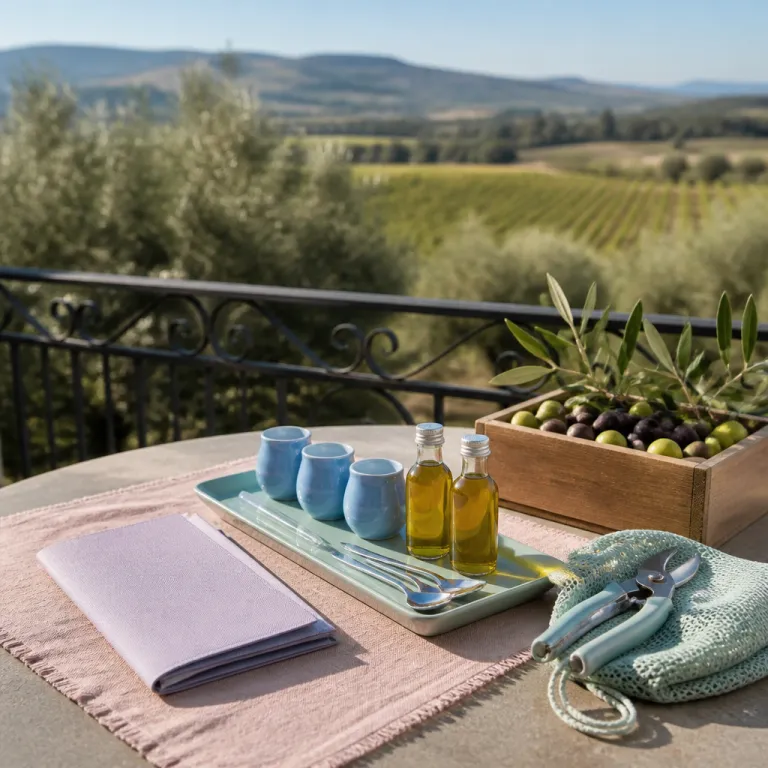
Why napa valley olive oil tasting belongs on your hotel itinerary
Staying in Napa Valley for wine means you are already halfway to an unforgettable olive oil tasting journey. When you weave a Napa Valley olive oil tasting into your hotel stay, you connect the same Mediterranean-style climate that ripens grapes with the olive trees that shape the valley olive landscape. This dual focus on wine tasting and oil tasting turns a simple weekend away into a rounded exploration of California flavor.
Across Napa Valley, a growing number of producers now treat olive oil with the same respect usually reserved for wine, offering guided tasting flights, estate tours, and thoughtfully prepared small bites. Many groves and mills sit within a short drive of major hotels in Napa and Saint Helena, so you can plan a morning to taste olive oils and an afternoon devoted to a winery visit without feeling rushed. When you read hotel descriptions, look for concierge teams who can secure reservations at an olive oil estate or working mill as easily as they book a Cabernet tasting.
Olive oil tasting in Napa Valley is not just about flavor; it is also about understanding oil production as part of the region’s agricultural story. Producers combine traditional stone mill methods with modern oil manufacturing technology, which allows them to press estate-grown olive fruit within hours of harvest for fresher oils. This focus on quality means that when you taste olive or sample several oils balsamic pairings, you are experiencing the same terroir-driven precision that defines the area’s most respected winery estates.
Planning napa valley olive oil tasting around your hotel base
Choosing the right hotel location in Napa Valley can make it effortless to find both wine tasting rooms and dedicated oil tasting experiences. If you stay near downtown Napa, you are well placed for day trips to Round Pond Estate, Grove 45, and other olive groves while still returning easily for dinner and a final glass of wine. Guests based closer to Saint Helena often prefer to split their days between a nearby winery visit and a relaxed guided tasting of olive oils at a local mill.
Travelers watching their budget can still enjoy a refined Napa Valley olive oil tasting schedule by mixing paid guided tasting sessions with complimentary samples at a gourmet grocery store or Italian grocery in town. Typical olive oil tasting fees at estates range from about $20 to $40 per person, similar to entry-level wine flights, while simple counter samples at specialty shops are often free. Once you read a practical guide on how to enjoy Napa Valley on a budget without missing the best wine experiences, you can allocate part of your spending to premium olive oils and balsamic vinegars while still reserving funds for memorable meals and comfortable rooms.
When you plan, remember that olive oil tasting operates year round, while some wine events and harvest activities are seasonal, so your hotel concierge can help you sequence both. Many estates recommend that you taste olive oils before wine, because a guided tasting of oils keeps your palate fresher and more analytical. Make reservations in advance, wear comfortable attire, and check seasonal schedules so you can move smoothly from grove to winery and back to your hotel without wasting time in transit.
Round pond estate, grove 45 and other key producers near hotels
Round Pond Estate in Rutherford is one of the most convenient places for hotel guests to experience a structured Napa Valley olive oil tasting alongside acclaimed wines. The estate grows its own olive trees and operates an on-site mill, allowing visitors to see oil production from grove to bottle before they taste olive flights paired with small bites. Because Round Pond also offers wine tasting, it is ideal if you want to compare how the same California sun shapes both Cabernet grapes and the olives that become their signature olive oil.
Grove 45, a family-owned producer north of Saint Helena, focuses on heritage olive trees and a compact tasting space that suits guests who prefer a quieter, more rural setting. Many travelers staying in hotels around Saint Helena plan a half day that combines a visit to Grove 45 with lunch in town and a stop at a nearby winery, creating a balanced circuit of wine, oils, and food. If you want to understand how tasting fees for both wine and olive oil might influence your lodging choices, read a current analysis of how Napa Valley wine tasting fees shape your hotel budget before you book.
IL Fiorello, just beyond the core Napa Valley corridor, specializes in certified organic olive oils and educational guided tasting sessions that appeal to serious food travelers. Here you can taste olive oils side by side, compare oils balsamic combinations, and read detailed notes on oil manufacturing methods that range from traditional stone mill techniques to modern centrifuges. These producers, together with smaller estates scattered across the valley olive landscape, give hotel guests a rich variety of options within an easy drive of most major accommodation hubs.
What to expect from a guided olive oil tasting experience
A formal Napa Valley olive oil tasting usually begins with a short introduction to the grove, the estate, and the specific olive trees that produced the oils in your glasses. Hosts explain how factors such as tree variety, harvest timing, and oil production speed influence flavor, much as grape variety and fermentation shape wine. You will often taste olive oils in a sequence from delicate to robust, using small round glasses that you warm gently in your hands.
During a guided tasting, you are encouraged to swirl, sniff, and sip the olive oil just as you would during wine tasting, paying attention to fruitiness, bitterness, and peppery notes. Bread or neutral small bites are usually provided to cleanse your palate, and some estates add cheeses, seasonal produce, or even a drizzle of balsamic vinegars to show how oils balsamic pairings work in real dishes. Informational materials help you read labels later in a grocery store or Italian grocery, so you can confidently find similar oils once you return home.
Many Napa Valley hosts also discuss oil manufacturing standards, explaining why extra virgin classification matters and how rapid milling preserves antioxidants. You may see the mill itself, with its mix of traditional presses and modern equipment, which illustrates how California producers blend heritage with innovation. As one local overview notes, growing interest in artisanal oils, increased olive oil tourism, and expansion of organic production are reshaping how visitors experience the region’s estates.
Pairing olive oil, wine and food from your hotel base
Once you have experienced a Napa Valley olive oil tasting, the next step is to bring those flavors back to your hotel table. Many properties offer in-room dining or picnic-style options, allowing you to open a bottle from a favorite winery and drizzle a newly purchased olive oil over fresh bread or salads. This simple ritual turns your room or terrace into a private tasting lounge where wine, oils, and small bites come together.
Some higher-end hotels collaborate with nearby estates to design curated wine tasting and oil tasting itineraries that move from vineyard to grove in a single day. You might start at a pond estate such as Round Pond for a morning focused on olive trees and oil production, then continue to a partner winery for an afternoon flight that highlights how the same soils support both crops. For ideas on coordinating rail experiences, tastings, and overnight stays, read a guide to pairing Napa Valley wine train tickets with the perfect hotel stay so you can plan your route efficiently.
Back in town, specialty shops in Napa and shop Helena locations stock local olive oils, balsamic vinegars, and curated gift sets that travel well. Hotel staff can help you find a gourmet grocery store or Italian grocery where you can read labels with confidence after your guided tasting sessions. By the end of your stay, you will likely have a small collection of bottles from different estates, each capturing a distinct round expression of the valley olive landscape.
Practical tips for hotel guests exploring napa valley olive oils
Hotel guests planning a Napa Valley olive oil tasting should start by mapping distances between their accommodation, key estates, and major winery clusters. The valley stretches roughly 30 miles from south to north, so choosing a hotel near Napa or Helena can significantly reduce driving time between a mill, a grove, and your preferred dinner spots. Ask your concierge to help you find routes that combine wine tasting and oil tasting without backtracking.
Because fall harvest, typically from late September through November, brings both grape crush and olive picking, this period offers the most dynamic view of oil production and winemaking, but it also means higher room rates and busier roads. If you visit outside peak season, you will still enjoy year-round guided tasting options, quieter estates, and more time to read tasting notes or speak with producers about oil manufacturing techniques. Many travelers appreciate the calmer atmosphere, which makes it easier to compare several olive oils and oils balsamic combinations in a single day.
When packing, plan for the practicalities of transporting glass bottles of olive oil, wine, and balsamic vinegars home from California. Some hotels provide shipping services directly from the estate or from a trusted shop Helena partner, while others offer protective sleeves so you can safely carry a round selection of oils in your luggage. Whatever your approach, remember that each bottle represents a specific grove, a particular set of olive trees, and the skilled teams who transform fruit into the flavors you tasted during your stay.
Key figures that frame napa valley olive oil tourism
- Napa Valley hosts a focused cluster of dedicated olive oil producers, which means hotel guests can choose from a compact yet diverse group of estates within a small region.
- Annual olive oil production in the area remains modest compared with global producers, which underscores the artisanal scale and limited-release nature of many valley olive oils.
- Olive oil tasting is offered year round, but fall harvest season, usually late September through early winter, provides access to the freshest new oils, so guests who time their hotel stays for this period can taste olive straight from the most recent pressing.
- Many estates now integrate both wine tasting and oil tasting on the same property, allowing visitors to reduce driving time and concentrate their spending on a smaller number of high-quality experiences during a short hotel stay.
FAQ about napa valley olive oil tasting for hotel guests
What is the best time of year for olive oil tasting in napa valley ?
The most rewarding time for a Napa Valley olive oil tasting is during the fall harvest, when producers release freshly milled oils with vivid aromas and flavors. That said, estates operate guided tasting sessions throughout the year, so hotel guests can enjoy structured flights and educational tours in any season. If you prefer quieter roads and more personal attention, consider late winter or early spring, when both wineries and mills are less crowded.
Do I need reservations for olive oil tastings near my hotel ?
Most Napa Valley estates require advance reservations for both wine tasting and oil tasting, especially on weekends and during harvest. Your hotel concierge can often secure last-minute spots, but you should still book key experiences several weeks ahead to avoid disappointment. Walk-in visits may be possible at some grocery store counters or smaller shops, yet the most in-depth guided tasting sessions almost always run on a reservation system.
Can I buy olive oil directly from napa valley producers ?
Yes, nearly every estate that offers a Napa Valley olive oil tasting also sells bottles on site, often including limited-release oils that never reach a standard grocery store. You will usually find a range of olive oils, oils balsamic gift sets, and sometimes balsamic vinegars flavored with local fruit. Many producers also ship within the United States, so hotel guests can arrange delivery rather than carrying multiple bottles in their luggage.
How long does a typical guided olive oil tasting take ?
A focused guided tasting at a Napa Valley mill or estate usually lasts between 45 and 90 minutes, depending on how many olive oils you sample and whether a tour of the grove or production area is included. If you add food pairings or combine the session with wine tasting at the same property, plan for up to two hours. This timing makes it easy to schedule two or three experiences in a day while still returning to your hotel with time to relax before dinner.
Is olive oil tasting suitable for travelers who do not drink alcohol ?
Olive oil tasting is an excellent option for visitors who prefer to avoid alcohol, because the focus is on sensory analysis of oils rather than wine. Many Napa Valley estates welcome families and offer non-alcoholic beverages alongside small bites, so everyone can participate comfortably. If you do not drink, let your hotel concierge know, and they can prioritize estates that emphasize oil production, groves, and food pairings over winery visits.
Trusted references for further reading
- Napa Valley olive oil trade groups and producer associations
- Napa Valley vintners and regional winery organizations
- Visit Napa Valley tourism board and official visitor resources