Why napa valley wine tasting for beginners starts with where you stay
Choosing the right hotel in Napa shapes every wine tasting experience you will have. When you stay close to the valley floor you shorten travel time between vineyards, tasting rooms, and restaurants, which matters after several tastings in a single day. For many beginners, a well located property in central Napa or Yountville quietly becomes the best decision of the entire trip.
Think about how you want to visit wineries before you reserve your room. If you plan three or four tastings per day, staying near Highway 29 or the Silverado Trail in the heart of Napa Valley reduces driving time and lets you return to your hotel easily between experiences for a swim, a nap, or a change of clothes. Guests who focus on cabernet and cabernet sauvignon often prefer hotels near Stags Leap or Oakville, because those areas place you closer to many of the most respected Napa wineries.
Hotels in downtown Napa work well for travellers who want to walk to tasting rooms and wine bars in the evening. This kind of base is ideal for first time napa valley wine tasting because you can start with relaxed flights of Napa wine in town before committing to longer estate visits the next day. If you are travelling with family members who do not drink wine, look for properties with pools, gardens, and easy access to non wine country activities so everyone feels part of the experience.
Planning your napa wine tasting day from your hotel
A structured plan turns a simple day in Napa into a polished wine tasting journey. For beginners, two or three winery visits in one day usually provide enough tastings, stories, and vineyard walks without fatigue, and this rhythm keeps the experience enjoyable rather than overwhelming. Many hotels in Napa Valley now work closely with wineries across the region and with local drivers to help you design these days with minimal effort.
Start your morning with a hearty breakfast at your hotel before your first tasting Napa appointment. Morning light over the valley floor opens window like views from many estates, and cooler air helps you stay focused on aromas and flavours during your first wine tasting of the day. Ask the front desk to confirm your tasting fees, which commonly range from about 40 to 80 USD per person in Napa Valley according to recent tourism reports, and to check driving time so you arrive at each estate relaxed and on schedule.
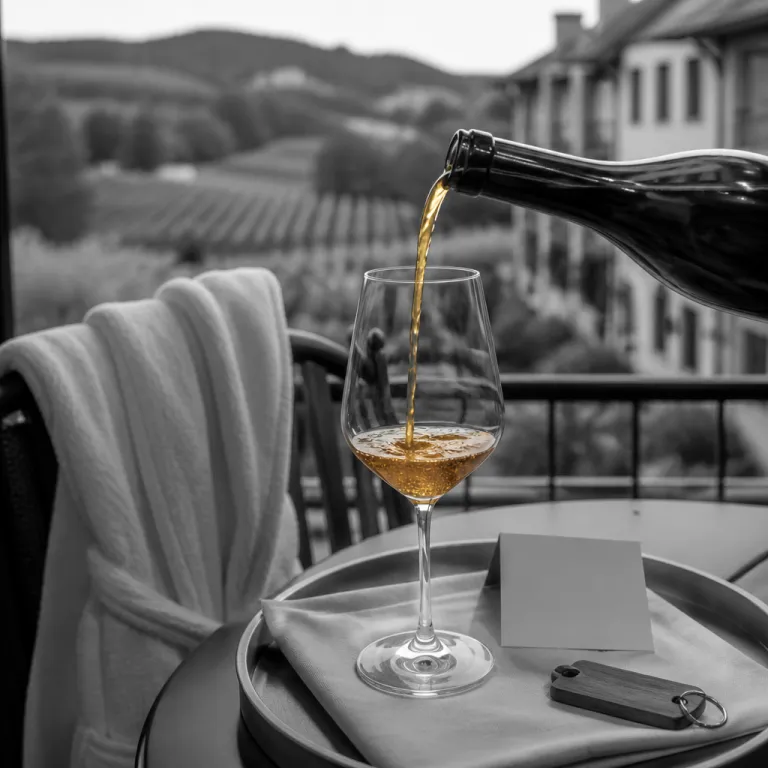
After lunch, schedule one more winery visit, ideally at a property where you can walk through vineyards or tour a working cellar. Napa wine tasting for beginners becomes far more memorable when you see fermentation tanks, barrel rooms, and hillside or valley wine plots instead of only sitting at a bar. In the late afternoon, return to your hotel to rest before an evening stroll to downtown tasting rooms or a quiet glass of cabernet sauvignon on a terrace overlooking the valley.
Choosing napa wineries and experiences that suit beginners
Not every winery in Napa offers the same style of visit, and matching the right experiences to your comfort level is essential. Some estates focus on seated tastings with guided flights of wines, while others emphasise tours through vineyards, caves, and production facilities that help beginners understand how Napa wine moves from grape to glass. When you book your hotel, ask the concierge which wineries they recommend for first time guests and which tastings require reservations weeks ahead.
For approachable education, many long established Napa Valley wineries are praised for welcoming first time visitors with clear explanations and relaxed tastings. These family owned or family focused estates often offer a range of wines, from crisp whites to structured cabernet, so you can compare styles in one visit and decide what you like best. Many hotels maintain preferred relationships with such wineries across Napa Valley, which can sometimes help with last minute reservations during peak season when popular tastings sell out.
Beginners interested in organic farming or smaller vineyards might plan a day that includes a certified sustainable estate known for its intimate feel and emphasis on environmentally conscious practices. Pair that with a visit to a classic valley floor producer and perhaps a stop in Stags Leap, where cabernet sauvignon has built a global reputation for elegance and power. By the end of two or three days of napa valley wine tasting for beginners, you will have sampled a broad cross section of Napa wineries and experiences without feeling rushed.
Timing your stay in napa valley for the best tastings
The best time to visit Napa Valley depends on what you want from your stay. Spring and autumn often provide the most comfortable temperatures for walking through vineyards, and these seasons usually offer clearer views across the valley floor from hillside estates. During harvest, which locals consider the peak season, tasting rooms can feel lively and crowded, so planning your hotel and winery reservations several weeks ahead becomes essential.
For many travellers, the ideal time of year balances weather, crowd levels, and hotel rates. Midweek stays outside major holidays often bring quieter tasting rooms, more personalised wine tasting experiences, and easier access to popular Napa wineries such as those in Stags Leap or along the Silverado Trail. Ask your hotel to advise on the best time visit specific wineries, because some estates open limited appointment slots that disappear quickly during peak season while remaining flexible at other times of the year.
Morning appointments usually work best for napa valley wine tasting for beginners, because your palate is fresher and tasting fees feel more worthwhile when you can focus. Plan your heaviest cabernet and cabernet sauvignon tastings earlier in the day, then finish with lighter wines or a relaxed glass of valley wine back at your hotel. If you don’t enjoy heat, avoid the hottest time of day for outdoor tastings and instead schedule an indoor cave tour or a visit to air conditioned tasting rooms.
How your hotel can elevate every napa valley wine experience
A thoughtful hotel team can quietly transform napa valley wine tasting for beginners into something polished and stress free. Many properties maintain curated lists of wineries Napa guests consistently love, grouped by style, price level, and distance from the hotel, which saves you hours of research. When you arrive, share your preferences for wines, scenery, and pace so the concierge can design a sequence of tastings that suits your style.
Transportation is another area where hotels in Napa Valley add real value for wine country visitors. Front desks can arrange private drivers, group tours, or rideshare pick up points so you don’t need to worry about driving after tastings, and this service becomes especially helpful if your day includes multiple cabernet focused visits in Stags Leap or other renowned districts. Some hotels even partner with specific vineyards and estates to offer hosted tastings on site, which lets beginners sample Napa wine in a familiar environment before venturing out to larger wineries.
Ask whether your hotel offers wine education evenings, maps of the valley floor, or printed guides to tasting Napa etiquette. Simple tips about how to pace tastings, when to spit, and how to handle tasting fees can make first time experiences far more comfortable for you and your family. When a property understands napa valley wine tasting for beginners, every interaction, from check in to checkout, supports your confidence and deepens your appreciation of the region.
Practical etiquette and tasting room tips for first time visitors
Understanding basic etiquette helps you feel at ease from your first pour in Napa. When you arrive at tasting rooms, greet your host, confirm your reservation, and ask how the tasting will unfold, because formats vary between quick bar tastings and longer seated flights at an estate table. Remember that wine tasting is about learning as much as it is about drinking, so feel free to spit or pour out samples you don’t finish without embarrassment.
Staff at wineries appreciate guests who respect time and pacing, especially on busy days during peak season. Aim to arrive ten minutes before each appointment, and if you realise you will be late, call ahead from your hotel or car so the team can adjust your tasting sequence and still share their best wines with you. Many Napa wineries now emphasise interactive tasting experiences, using tools such as aroma kits and guided comparisons to help beginners understand differences between cabernet sauvignon, merlot, and other varietals.
Dress in layers because Napa Valley temperatures can shift quickly between morning and late afternoon. Comfortable shoes matter if your tastings include vineyard walks or cave tours, and a light jacket helps during cellar visits where temperatures stay cool to protect wines. As local experts often remind guests, “Make reservations in advance,” “Designate a driver or use transportation services,” and “Dress in layers for varying temperatures.”
Key figures that shape napa valley wine tasting for beginners
- Napa County lists more than 400 physical winery facilities and hundreds of additional tasting rooms, which means beginners can choose from a wide range of tasting styles without leaving the region.
- Recent industry surveys suggest that typical tasting fees in Napa Valley now fall roughly between 40 and 90 USD per person, so a day with three tastings for two adults can easily reach 240 USD or more before any bottle purchases.
- Most visitors comfortably manage three to four winery visits in a single day, a pace that allows time for travel, vineyard walks, and relaxed conversations with staff.
- Guides often recommend booking tasting reservations several weeks ahead during harvest peak season, because popular Napa wineries and Stags Leap estates fill their calendars quickly.
- Many wineries in Napa Valley now offer both guided tours and self paced tastings, giving beginners flexibility to choose the level of structure they prefer.
FAQ about napa valley wine tasting for beginners
Do I need to make reservations for wine tastings in Napa Valley ?
Yes, many wineries require reservations for tastings, especially during peak season and weekends, so you should secure appointments weeks ahead whenever possible. Hotels in Napa Valley can often assist with booking and may have direct contacts at popular estates. This planning ensures you avoid disappointment and can structure your day efficiently.
What should I wear to a wine tasting in Napa Valley ?
Casual, smart clothing works well for most Napa wine tasting experiences, and you should always dress in layers because temperatures shift between morning and evening. Comfortable shoes are essential if your tastings include vineyard walks or cave tours. Avoid heavy perfume, as strong scents can interfere with your ability to smell wines accurately.
How many wineries can I realistically visit in one day ?
Most travellers find that three to four winery visits in a day provide the right balance between variety and fatigue. This pace allows time for unhurried tastings, short drives across the valley floor, and a relaxed lunch without rushing. Beginners should start with fewer tastings and increase only if they feel comfortable.
Is Napa Valley suitable for families when adults are focused on wine ?
Napa Valley can work well for family trips if you choose hotels with pools, gardens, and nearby non wine activities. Some wineries welcome families and offer outdoor spaces or picnic areas, though tasting rooms remain focused on adult guests. Always check each estate’s policy on children before you visit to avoid surprises.
How can my hotel help reduce the cost of tastings and transportation ?
Many hotels partner with local tour operators and wineries to offer bundled experiences that may lower tasting fees or include transportation. Ask about packages that combine lodging with curated wine country itineraries, especially outside the busiest time of year. Even when discounts are limited, concierge teams can design routes that minimise driving time and maximise the value of each tasting.
Helpful resources for planning your Napa stay
For up to date details on tasting fees, winery reservation policies, and transportation options, consult your hotel concierge, official Napa Valley visitor information centres, and licensed local tour operators. These on the ground resources can confirm current prices, suggest beginner friendly routes, and help you choose safe transport between tastings.