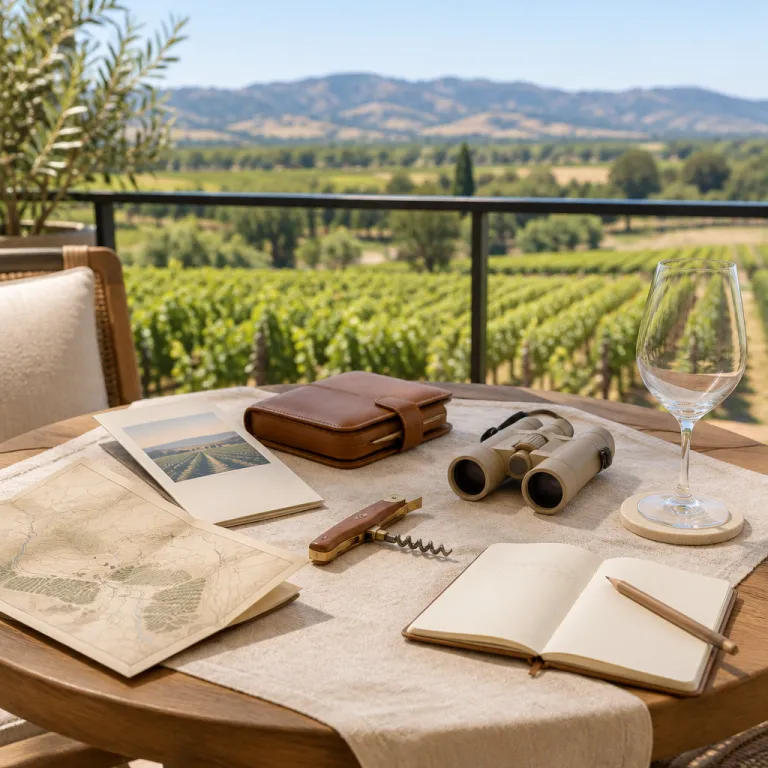
Why the best wineries in napa valley matter when you book your stay
Choosing a hotel in Napa only makes sense when you first understand which valley wineries will shape your trip. The best wineries in Napa Valley sit within a compact corridor of vineyards, estates, and cellars, so your lodging choice directly affects how easily you reach each tasting room and vineyard. When you align your hotel with the right cluster of wineries in Napa, every wine tasting becomes a seamless part of your day rather than a long commute.
Napa Valley is one of the most prestigious wine regions in the United States, and its wineries range from historic family cellars to avant garde estates. A smaller number of top producers now offer on site lodging, while many more partner closely with nearby hotels, giving you the chance to wake up surrounded by vineyards and walk or take a short drive to your first tasting. If you plan carefully around specific Napa wineries, you can limit driving, secure reservations, and enjoy tastings at a relaxed pace that suits both enthusiasts and casual wine lovers.
For travelers focused on cabernet and sauvignon blanc, staying near the valley wineries that specialize in these wines is essential. Guests who prioritize a quiet vineyard experience may prefer an intimate estate setting with only a few suites, while others might choose a larger property close to several winery clusters for easy access to multiple tastings. Whatever your style, treating the most acclaimed tasting rooms as your anchor points will help you select a hotel that turns a simple visit into a curated Napa Valley experience.
Scenic winery estates with on site lodging for immersive stays
Some of the best wineries in Napa Valley combine vineyard views, refined wines, and elegant rooms in a single estate. These winery properties allow you to move effortlessly between your suite, the tasting room, and the vineyards, creating an experience that feels more like staying at a private wine estate than at a conventional hotel. When you choose this style of lodging, every sunrise over the valley and every evening glass of wine becomes part of the same continuous narrative.
Opus One Winery in Oakville, renowned for its Bordeaux style blends, anchors a corridor of valley wineries where high end hotels and vineyard lodges cluster nearby. While Opus One itself focuses on wine tasting rather than overnight stays, several neighboring estates and boutique hotels in Oakville and Yountville offer on site rooms that let you pair tastings of cabernet sauvignon and other wines with short strolls or quick drives back to your terrace. Similar patterns appear around Robert Mondavi Winery and Stag's Leap Wine Cellars, where estate style properties and wine country accommodations sit within a few minutes of iconic tasting rooms.
Castello di Amorosa, with its Tuscan inspired architecture, illustrates how a dramatic winery setting can shape your lodging choice even if the estate does not host overnight guests directly. Many travelers book nearby vineyard inns in Calistoga or St. Helena so they can spend long afternoons exploring the castle, its vineyards, and its tasting room before returning to a quiet valley retreat. One guest might remember the echo of footsteps in the stone courtyard as clearly as the taste of a late harvest wine. When you evaluate scenic winery estates, look for properties that either include on site lodging or maintain strong partnerships with hotels that prioritize wine focused services, flexible tastings, and easy transport between vineyards.
Planning tastings, reservations, and transport from your hotel
Once you have identified the best wineries in Napa Valley for your palate, the next step is to coordinate tastings and reservations from your chosen hotel. Many of the most sought after Napa wineries operate on a reservations required basis, especially for seated tastings or limited production cabernet sauvignon flights. If you want to visit three or four valley wineries in a single day, your hotel concierge can often manage reservations, transport, and timing so that each tasting room visit feels unhurried.
Local guidance consistently emphasizes three essentials for guests planning a wine focused stay in Napa Valley. The verified advice is clear and simple: "Book reservations in advance.", "Plan transportation.", "Check winery hours." For popular estates, aim to secure appointments at least two to four weeks ahead in peak season and one to two weeks ahead in quieter months. Hotels that specialize in serving wine travelers usually maintain close relationships with winery hosts, vineyard tour companies, rideshare services, and private drivers, which helps you move safely between tastings while keeping your schedule flexible.
Because wine tasting in the valley often spans morning tastings, leisurely lunches, and late afternoon tastings, proximity matters as much as prestige. A hotel located near your top three wineries can reduce travel time and allow you to return to your room between tastings for a rest or a swim. When you confirm reservations, ask each winery whether they offer different tastings for sauvignon blanc, cabernet, or library wines, and then coordinate your day so that lighter wines come earlier and richer cellar experiences close the afternoon.
Iconic Napa estates for serious collectors and special occasions
Travelers who collect rare wines or celebrate major milestones often center their hotel choice around the most exclusive estates in Napa Valley. Names such as Screaming Eagle, Colgin Cellars, Harlan Estate, Eisele Vineyard, and Dominus Estate represent the pinnacle of valley wine, with cabernet sauvignon and other wines that command global attention. Access to these wineries is extremely limited, and reservations required policies are strict, so your hotel’s concierge and your own planning must work in tandem.
While Screaming Eagle and several similar estates do not operate public tasting rooms, their presence shapes the prestige of the surrounding vineyard landscape and influences where discerning guests choose to stay. Collectors often book discreet estate style accommodations or high end hotels in nearby towns such as Oakville, Rutherford, or St. Helena, using private drivers to reach invitation only tastings at small cellars or to attend events at partner wineries. For many, simply staying in the same valley that hosts these legendary wineries enhances the emotional impact of every glass poured during the trip.
Other iconic producers, including Stag's Leap Wine Cellars and Robert Mondavi Winery, offer more accessible wine tasting experiences while still delivering top tier cabernet and sauvignon blanc. Guests can base themselves at hotels within a short drive, then spend their days moving between structured tastings, vineyard walks, and cellar tours that highlight both historic and modern approaches to Napa wines. When your goal is to engage deeply with the best wineries rather than to chase only the rarest labels, this balance of prestige and access often creates a richer overall experience.
Balancing wine focused days with relaxation, wellness, and food
Even the most dedicated wine enthusiast needs time away from the tasting room, so your hotel should support both indulgence and recovery. Many properties near the best wineries in Napa Valley now offer wellness programs, spa treatments, and pools that help guests reset between tastings. After a morning exploring vineyards and cellars, an afternoon by the pool or a massage can prepare you for another round of wine tasting at a nearby winery.
Food is equally important, because pairing wines with thoughtful cuisine elevates every valley wine experience. Look for hotels that either host strong restaurants on site or sit within walking distance of dining rooms that understand Napa wines, from crisp sauvignon blanc to structured cabernet sauvignon. Some estates coordinate chef driven dinners in partnership with local producers, allowing you to enjoy multi course menus where each dish highlights a different wine from surrounding vineyards.
Families traveling together should seek properties that welcome children while still catering to adults who want to visit wineries. A family friendly hotel near vineyard areas can offer supervised activities, pools, and open spaces, giving parents time to slip away for tastings while younger guests enjoy the grounds. When you balance wine, food, and relaxation thoughtfully, the best wineries become one part of a broader Napa Valley experience rather than the sole focus of every hour.
How to match your hotel location with your preferred wine styles
Different stretches of Napa Valley excel at different wine styles, so aligning your hotel with your palate can transform your stay. Fans of structured cabernet and cabernet sauvignon blends often gravitate toward central and northern valley wineries, including sub appellations such as Stags Leap District and Rutherford, where many of the best wineries in Napa Valley focus on powerful reds. Guests who prefer sauvignon blanc, lighter wines, or a mix of styles may choose hotels closer to cooler vineyard zones like Carneros or to estates that offer broad tasting flights.
Before you book, list the specific wineries you hope to visit and map them against potential hotel locations. If your must visit list includes Robert Mondavi Winery, Stag's Leap Wine Cellars, and a visit to Castello di Amorosa, a central valley base such as Yountville or St. Helena can minimize driving and maximize time in tasting rooms and vineyards. Travelers who prioritize appointments at hillside properties such as Colgin Cellars, Harlan Estate, or Dominus Estate may prefer more secluded estate accommodations that align with the discreet nature of those visits.
Remember that Napa wineries often cluster along key routes, so a single well chosen hotel can place you within easy reach of many valley wineries. When you evaluate options, consider not only distance but also traffic patterns, shuttle availability, and the hotel’s experience in arranging wine tasting logistics. A property that understands the rhythm of tastings, reservations, and vineyard tours will help you move smoothly between winery experiences while keeping your days relaxed and enjoyable.
Key figures that shape a wine focused stay in Napa Valley
- Napa Valley hosts around 400 wineries, which means careful planning is essential if you want to focus on a small group of the best wineries during a short hotel stay.
- Most visitors comfortably manage tastings at only three to four wineries per day, so your hotel location should prioritize proximity to a tight cluster of estates rather than the entire valley.
- Wine tourism operates year round, but harvest season in early autumn is widely regarded as the best time to visit Napa Valley for guests who want to see vineyards at peak activity.
- Because many top estates operate with reservations required policies, travelers who book tastings several weeks in advance secure better time slots and more personalized experiences.
FAQ : planning your Napa Valley hotel around winery visits
What is the best time to visit Napa Valley for a wine focused trip ?
Fall during harvest season offers the most vivid vineyard scenery, active cellars, and a wide range of tastings, although spring provides quieter roads and easier reservations at many wineries.
Are reservations required for wine tastings at the best wineries in Napa Valley ?
Yes, reservations required policies are now standard at most leading Napa wineries, especially for seated tastings, special flights of cabernet sauvignon, and small group vineyard tours.
Can I visit multiple wineries in one day from a single hotel base ?
Yes, most guests comfortably visit three to four valley wineries per day, and choosing a centrally located hotel reduces travel time so you can focus on tastings rather than driving.
How should I choose a hotel if I want to focus on specific estates ?
Start by listing your priority wineries, then select a hotel within a short drive of those estates, and confirm that the property’s concierge can assist with reservations, drivers, and tasting room recommendations.
Is it possible to enjoy Napa Valley with a family while still visiting wineries ?
Yes, many hotels and some winery estates welcome families, so you can combine vineyard views, outdoor activities, and limited tastings while arranging childcare or alternating visits between adults.