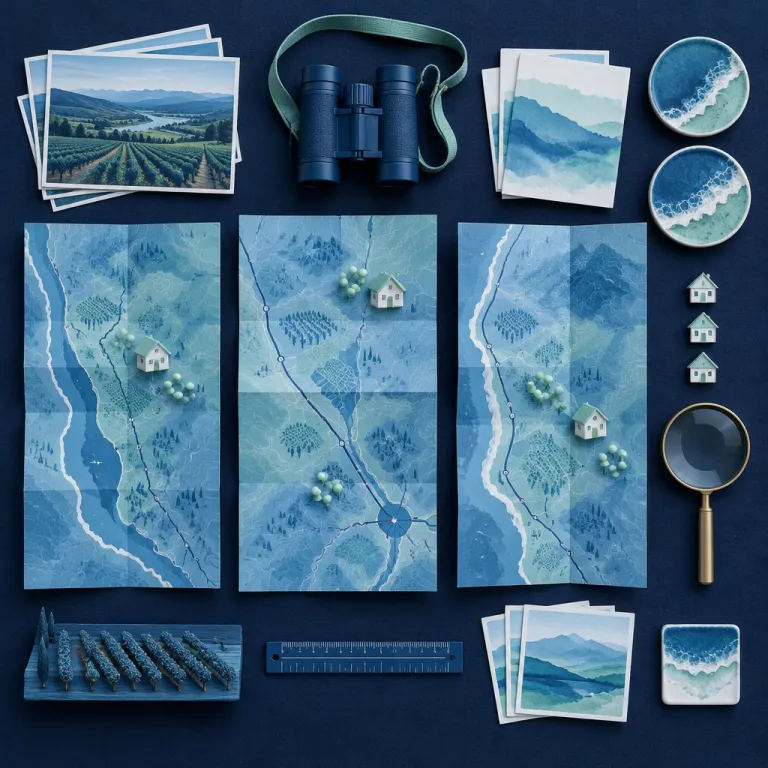
Reading Napa Valley maps of wineries through a hotel lens
Napa Valley maps of wineries become far more useful when you read them as lodging tools, not only as tasting checklists. A good map lets you see how each winery, vineyard, and estate winery aligns with your planned trip, your preferred wines, and the style of suite in Napa you hope to book. When you study a detailed map of the valley, you immediately notice how distances in kilometres, road patterns, and elevation changes will shape your days.
Start by circling the areas that match your wine priorities, whether that means structured Cabernet Sauvignon, elegant Pinot Noir, or heritage Zinfandel. Then add a second layer to the map that highlights where you find a family winery, a larger vineyard winery, or a historic winery in Rutherford, because each style of property changes the feel of your stay. This simple exercise turns a flat map into a three dimensional view of wine country, where vineyards Napa wide become neighbourhoods rather than dots.
Pay attention to how many kilometres separate your preferred vineyards from potential hotels, especially along the Silverado Trail and Highway 29. A winery in Napa that looks close on paper may still sit several miles up a narrow lane, which matters after a long day of wine tasting and visits to cool wine cellars. When you match the map to your own pace, you avoid rushed transfers and create room for slow walks through family vineyards at sunset.
Choosing scenic wineries with on site lodging across the valley
Once you understand the layout of Napa Valley winery maps, you can focus on estates that actually offer on site lodging. These are often a family estate or family vineyards that evolved from simple vineyard winery operations into full wine country retreats with suites, pools, and terraces. When you stay where the vines meet your door, every view from your suite in Napa becomes part of the experience.
Look closely at how each estate winery positions its rooms in relation to the vineyards, because not every property offers the same panorama. Some family vineyard addresses place suites along a quiet lane that overlooks Cabernet Sauvignon blocks, while others frame Pinot Noir rows or older Zinfandel vines that sit closer to the valley floor. For a practical comparison exercise, pick three properties that interest you, mark them on your preferred Napa Valley map of wineries, and note which ones sit on hillsides, which lie on the valley floor, and which face sunrise or sunset light.
In the northern valley, properties near Calistoga and Saint Helena often combine geothermal spas with vineyard views, which can be ideal after long days of wine tasting. Around winery Rutherford and Oakville, you are closer to many benchmark Cabernet Sauvignon producers, so you can walk or cycle a few kilometres between tastings and return easily to your room. South of the town of Napa, larger estate wines facilities may feel less intimate, yet they often provide excellent access to multiple vineyards Napa wide within a short drive.
Aligning your route along Silverado Trail, Highway 29, and side lanes
Every successful Napa trip starts with a realistic route, and Napa Valley maps of wineries are your best planning tools. The valley runs roughly 48 kilometres (about 30 miles) from the town of Napa in the south to Calistoga in the north, a figure confirmed by the Napa Valley Vintners trade association, but the experience changes dramatically from one cluster of vineyards to the next. When you overlay your preferred wineries, vineyard stays, and hotel options on the same map, patterns appear quickly.
Highway 29 carries more traffic and passes many famous wine estates, while the Silverado Trail on the eastern side offers a quieter, more scenic drive past hillside vineyards winery addresses. If you plan to focus on Cabernet Sauvignon and estate wines from winery Rutherford, Oakville, and Saint Helena, staying near the central valley keeps your daily kilometres manageable. Travellers who prefer Pinot Noir, Chardonnay, and cooler climate wines Napa wide may want to base themselves closer to the southern districts, then add targeted day trips north.
Side roads and country lanes matter as much as the main trail, especially when you choose a family winery or family estate with limited access. A narrow lane can feel romantic when you arrive for a single wine tasting, yet it becomes less appealing if you must drive it several times per day from your suite in Napa. When planning special occasions such as vineyard weddings, use a specialist guide on how to pair vineyard wedding venues with the right hotel stay, then confirm that every location aligns logically on your chosen map.
Comparing lodging styles at estates, family vineyards, and classic hotels
Napa Valley maps of wineries also help you compare lodging styles, because the setting of each property shapes your stay as much as the room itself. A traditional hotel in the town of Napa offers walkable access to restaurants, wine bars, and urban wine cellars, while a suite in Napa at a vineyard winery trades nightlife for quiet vineyard views. The right balance depends on how you like to end your evenings after a day of wine tasting.
Stays at a family estate or family vineyards usually feel more personal, with owners often present on site and estate wines poured by people who helped make them. Larger estate winery properties may offer more amenities such as pools, spas, and extensive wine cellars, yet they can feel less intimate than a small family vineyard inn on a side lane. When you study the map, note how far each option sits from late night dining, emergency services, and key transport routes, because these practical details matter during a longer trip.
For travellers who want a refined yet efficient itinerary, a curated three day Napa Valley itinerary built around elegant hotels can serve as a template. You can then adjust the route by swapping in your preferred wineries, vineyards Napa wide, and specific wine tasting appointments while keeping the daily kilometres reasonable. This approach respects both the romance of wine country and the realities of driving between estates, especially when you plan to visit several wine cellars in one day.
Using maps to balance tasting appointments, transport, and safety
Responsible planning is essential in wine country, and Napa Valley maps of wineries are central to that responsibility. When you plot your wine tasting appointments, hotel location, and transport options on a single map, you can see where to walk, where to cycle, and where to hire a driver. This visual planning reduces stress and lets you focus on the wines, the vineyards, and the people behind them.
Cluster tastings by area so that you visit neighbouring vineyards winery addresses in the same half day, rather than zigzagging across the valley. For example, you might spend a morning near winery Rutherford exploring Cabernet Sauvignon focused estate wines, then move only a few kilometres to a family winery on the Silverado Trail for afternoon Pinot Noir or Zinfandel. In the north, a day around Calistoga and Saint Helena can combine hot springs, historic wine cellars, and relaxed family vineyard visits without long drives.
Maps also help you identify where ride share coverage is strongest, which matters if you plan to enjoy multiple wines Napa wide in one day. Some rural lanes have limited mobile reception, so staying closer to the town of Napa or major crossroads can make it easier to arrange safe transport back to your suite in Napa. When in doubt, ask your hotel concierge or the staff at a family estate to add their local knowledge to your map based plan.
Reading the landscape: what maps reveal about terroir and style
Beyond logistics, Napa Valley maps of wineries reveal how geography shapes the character of the wines in your glass. Elevation, proximity to the San Pablo Bay, and the orientation of each vineyard all influence whether a site favours structured Cabernet Sauvignon, silky Pinot Noir, or bright Zinfandel. When you understand these patterns, you can choose lodging that places you near the styles you love most.
On many maps, you will see cooler southern districts closer to the bay, where morning fog often lingers over vineyards Napa wide and supports vibrant white wines and elegant reds. Moving north toward Saint Helena, winery Rutherford, and Calistoga, the valley narrows, afternoons warm, and the focus shifts toward powerful Cabernet Sauvignon and richly textured estate wines. Staying at a vineyard winery in these central and northern zones lets you walk from your room to the vines that produce some of the most sought after wines Napa offers.
Side by side comparisons become easier when you can view soil types, slopes, and exposure on detailed maps, then taste the results in nearby wine cellars. A family winery on a gravelly bench may produce structured reds, while a family vineyard on deeper valley floor soils leans toward plush textures and generous fruit. By aligning your hotel choice with these mapped nuances, your entire trip becomes a coherent exploration of wine country rather than a series of disconnected tastings.
Key figures that shape Napa Valley wine travel
- Napa Valley contains hundreds of wineries open to visitors, which means careful use of maps is essential to narrow your choices for a short stay.
- The valley stretches roughly 48 kilometres from Napa to Calistoga, so driving the full length without stops can take about one hour in light traffic.
- Cabernet Sauvignon represents a significant share of Napa Valley’s planted vineyard area, concentrating many estate winery addresses in the central and northern districts.
- A large majority of Napa Valley wineries are family owned, which explains the prominence of family vineyards and family winery experiences on regional maps.
- The Silverado Trail runs for about 48 kilometres along the eastern side of the valley, providing access to dozens of vineyards winery properties with quieter traffic than Highway 29.
Frequently asked questions about using Napa Valley maps of wineries
How many wineries should I plan to visit in one day ?
Most travellers find that three to four winery visits per day is comfortable when using Napa Valley maps of wineries to plan. This pace allows time for relaxed wine tasting, short walks through the vineyard, and safe travel between estates. Trying to add more stops often leads to rushed experiences and long days on the road.
Where should I stay for easy access to both Highway 29 and Silverado Trail ?
Staying near the towns of Napa, Yountville, or Saint Helena gives you quick access to both Highway 29 and the Silverado Trail. These locations sit close to many vineyards Napa wide and offer a wide range of hotels with vineyard views. When you study the map, look for properties within a few kilometres of both main routes.
Is it better to base my trip in one town or move hotels ?
For shorter stays of three or four nights, basing your trip in one town such as Napa or Yountville usually works best. You can then use Napa Valley maps of wineries to plan focused day trips north toward Calistoga or south toward Carneros. Longer visits may justify splitting time between two areas to reduce daily driving distances.
Do I need a car if I stay at a winery with on site lodging ?
Even when you stay at a vineyard winery or estate winery with on site lodging, having access to a car or driver expands your options. Many of the most interesting family vineyards and wine cellars sit several kilometres apart, and public transport is limited. Use the map to identify clusters of wineries you can visit by car in a single outing, then return safely to your suite in Napa.
How far in advance should I book tastings and lodging ?
For peak seasons, it is wise to book both lodging and key wine tasting appointments several months ahead. Popular family winery addresses, estate wines experiences, and scenic suites with vineyard views often sell out early. Once reservations are confirmed, update your Napa Valley maps of wineries so that your daily routes remain efficient and enjoyable.