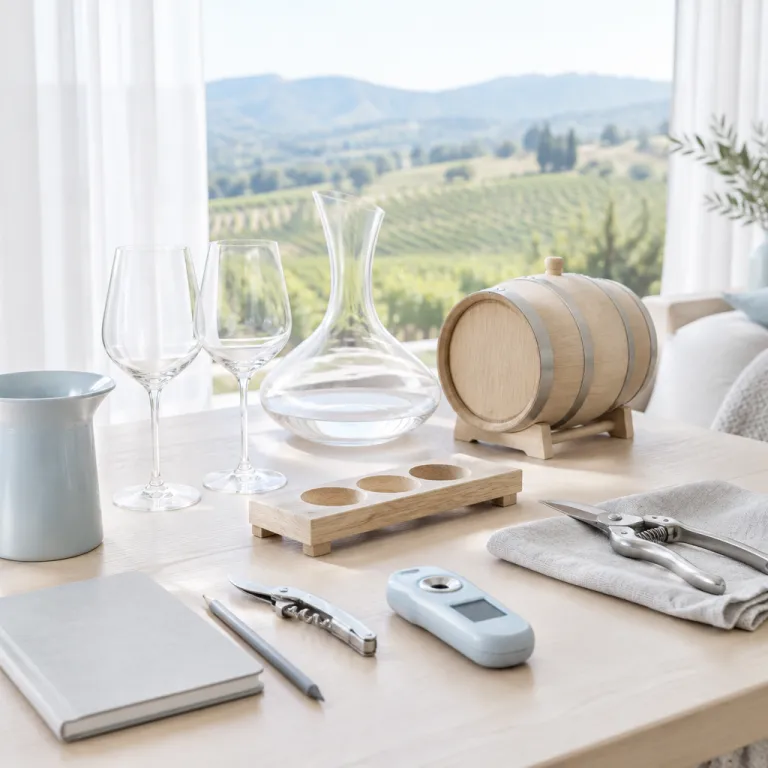
Hidden vineyard retreats near the finest valley wineries
Choosing where to stay in Napa Valley becomes easier when you anchor your plans around the most characterful valley wineries to visit. Many travellers want a hotel that feels connected to vineyards, where a short walk or a five minute drive leads straight to a serene wine tasting experience. In this landscape, the best strategy is to pair a quiet vineyard retreat with a curated list of boutique Napa wineries and intimate tasting rooms that match your taste and travel style.
The central corridor between Napa town and Saint Helena places you close to historic vineyards, contemporary tasting rooms, and family owned estates. Around Rutherford and Oakville, you will find some of the best Napa cabernet vineyards, where cabernet sauvignon thrives on well drained benchland soils and gentle slopes. Staying near this stretch of the Silverado Trail or the parallel Highway 29 allows you to visit Napa wineries in the morning, relax at your hotel pool in the afternoon, then return for sunset tastings overlooking the vines.
Travellers who prioritise tranquillity often choose small inns or vineyard lodges tucked behind the main road, where the only neighbours are rows of vines and a working winery. These hidden vineyard retreats give you a front row seat to the rhythms of valley wine life, from pruning in winter to harvest in late summer and autumn. When you plan which wineries to visit, look for properties that mention walking paths through their vineyard, a relaxed tasting room atmosphere, and clear notes on whether reservations are required for tastings.
Planning a napa valley stay around boutique wineries to visit
To design a refined itinerary, start by mapping the napa valley boutique wineries to visit that most appeal to you, then layer your hotel choice on top of that map. If you love structured cabernet and elegant cabernet sauvignon blends, focus on Rutherford, Oakville, and the Stags Leap District, where valley wineries specialise in powerful yet balanced red wines. Guests who prefer bright sauvignon blanc, rosé, or lighter wines might centre their stay closer to Napa town or Carneros, where cooler breezes shape a different style of wine.
Hidden vineyard retreats along the Silverado Trail offer a quieter base than Highway 29, while still keeping you close to many of the best Napa wineries to visit. This scenic road, sometimes called the trail Napa by locals, runs along the eastern side of the valley and connects a string of family vineyards, hillside estates, and intimate tasting rooms. When you review each winery website, pay attention to tasting formats, whether walk ins are accepted, and if reservations are required for specific tastings or tours.
For a weekend focused on vineyard immersion, consider pairing your stay with a thoughtfully planned route of wineries Napa visitors often overlook, such as smaller family owned estates set back from the main road. You might, for example, combine a morning tasting at a hillside cabernet producer with an afternoon visit to a family run sauvignon blanc specialist, leaving time for a sunset stroll through the vines back at your hotel. Use winery maps and local recommendations to balance tastings, scenic drives, and quiet time at your retreat, ensuring that every visit feels intentional rather than rushed.
Romantic vineyard stays near family owned estates
Couples seeking a romantic stay in Napa Valley often look for hotels that feel woven into the landscape of vineyards and wineries. Rooms that open onto a private terrace with vineyard views, or suites set within a historic estate, can transform a simple wine tasting trip into a memorable escape. When you pair such accommodation with a shortlist of boutique Napa wineries and family owned vineyards, you create a seamless flow between your room, the vines, and the tasting room.
Many family owned wineries Napa travellers love are concentrated between Napa town and Saint Helena, with notable clusters near Rutherford and the Stags Leap District. These areas are known for expressive cabernet sauvignon, yet they also produce graceful sauvignon blanc and other wines that show the nuance of each vineyard site. If you stay nearby, you can schedule tastings at valley wineries in the morning, enjoy a leisurely lunch, then return to your hotel spa or pool before an evening stroll through the vineyards.
For couples who prioritise privacy, hidden vineyard retreats along the Silverado Trail or in the hills above Saint Helena offer a particularly calm setting. Many of these properties sit close to family vineyards, where you can walk among the vines at sunrise before heading to a winery visit later in the day. To refine your search, focus on romantic hotels that highlight vineyard views, on site spas, and easy access to intimate tasting rooms that welcome unhurried, seated tastings.
Staying near Rutherford, Stags Leap, and Saint Helena
Rutherford, Stags Leap, and Saint Helena form a golden triangle for travellers who want to stay close to many of the best Napa wineries. Rutherford is renowned for its distinctive “Rutherford dust” character in cabernet, a subtle cocoa and mineral note that shows in both single vineyard wines and broader valley wine blends. When you stay near this village, you are minutes from estates that offer structured cabernet sauvignon, graceful sauvignon blanc, and thoughtfully curated tastings.
The Stags Leap District, sometimes written as Stags Leap or stag leap in older references, lies just north of Napa town on the eastern side of the valley. Here, steep volcanic hills cradle vineyards that produce cabernet wines with both power and finesse, making the area a favourite among collectors and serious wine tasting enthusiasts. Many wineries in this district have elegant tasting rooms with vineyard views, and several note on their website that reservations are required for seated tastings or library flights.
Further north, Saint Helena combines small town charm with easy access to both Highway 29 and the Silverado Trail, giving you flexible routes to visit Napa wineries in every direction. Staying here works well if you plan multiple wineries visit days, since you can head south toward Rutherford and Stags Leap one day, then explore valley wineries near Calistoga the next. When comparing hotels, look for properties that highlight proximity to vineyards, partnerships with local family vineyards, or special rates tied to curated wine tasting experiences.
How to match your hotel with your wine tasting style
Every traveller approaches Napa Valley differently, so your ideal hotel depends on how you like to taste wine. Some guests prefer a full schedule of tastings from morning to late afternoon, while others want just one or two winery visits each day with long breaks by the pool. The key is to align your accommodation with the specific boutique Napa wineries and intimate tasting rooms that matter most to you, rather than choosing a hotel first and forcing the rest.
If you plan to focus on cabernet and cabernet sauvignon from prestigious estates, staying near Rutherford, Oakville, or the Stags Leap District will minimise driving and maximise time in the tasting room. Travellers who enjoy exploring a mix of wines, including sauvignon blanc, rosé, and lighter reds, might prefer a base closer to Napa town or Yountville, where both Highway 29 and the Silverado Trail are easily accessible. In either case, check each winery website carefully, since many of the most sought after valley wineries state that reservations are required, especially for weekend tastings or special experiences.
Guests who value a slower pace often choose hotels that sit directly beside vineyards or family vineyards, allowing them to enjoy the landscape even on non tasting days. These properties make it easy to visit Napa wineries in short bursts, then return to your room for a nap, a spa treatment, or a quiet walk among the vines. For a simple two day plan, you might schedule two tastings near your hotel on the first day, then spend the second day exploring a different sub region, leaving generous gaps for lunch, scenic drives, and time by the pool.
Practical tips for reservations, transport, and timing
Once you have chosen your hotel and your shortlist of napa valley boutique wineries to visit, the final step is to organise logistics with care. Many of the most popular wineries Napa travellers seek out now operate primarily on a reservations required basis, especially for seated tastings, cave tours, or food pairings. Booking your wine tasting schedule before you confirm restaurant reservations or spa appointments helps you avoid rushed drives between valley wineries.
Transport planning matters just as much as choosing the right estate or vineyard. If you intend to taste wines at more than two wineries visit stops in a day, consider hiring a car service, joining a small group tour, or designating a driver within your family or travel party. Distances between Napa, Rutherford, Saint Helena, and Calistoga may look short on a map, but traffic and tasting room timing can stretch a simple route along the Silverado Trail into a full day.
Finally, think about seasonality when you decide when to visit Napa and which hidden vineyard retreats to book. Harvest season brings vibrant energy to the vineyards, yet it also means higher room rates, busier tasting rooms, and stricter reservations required policies at many estates. Quieter months often bring fewer crowds, more time with winery hosts, and a calmer atmosphere in both your hotel and the surrounding vineyards, making your overall experience feel more personal and unhurried.
Key figures about Napa Valley stays and wine tourism
- Napa Valley welcomes millions of visitors each year, and a significant share of them plan their hotel choice around proximity to wineries and vineyards, according to regional tourism reports.
- A large majority of Napa Valley wineries are family owned or family controlled, which means many tasting rooms offer a direct connection to the people behind the wines, based on data shared by local wine industry groups.
- Cabernet sauvignon represents a major share of Napa Valley vineyard plantings, making it the dominant grape for many estates in Rutherford, Saint Helena, and the Stags Leap District, as reflected in county agricultural summaries.
- The Silverado Trail corridor hosts dozens of wineries open for wine tasting, giving guests who stay along this route quick access to a dense cluster of valley wineries without needing to cross the busier Highway 29 repeatedly.
- Surveys from Visit Napa Valley indicate that visitors who stay at least two nights tend to spend more on tastings and wine purchases than day trippers, highlighting the value of pairing a hotel stay with a carefully planned wineries visit itinerary.
FAQ about Napa Valley vineyard stays and winery visits
Which Napa Valley areas are best for staying near wineries ?
For easy access to multiple wineries, focus on Napa town, Yountville, Rutherford, Saint Helena, or Calistoga. These areas sit close to both Highway 29 and the Silverado Trail, giving you flexible routes to visit Napa wineries in every direction. Guests who want quieter vineyard surroundings often choose properties slightly off the main road, especially along the Silverado Trail.
How many winery tastings should I plan per day ?
Most travellers find that two or three winery visits per day offer the best balance between enjoyment and fatigue. This pace allows time for a relaxed wine tasting at each estate, a proper lunch, and breaks back at your hotel. Trying to fit more tastings into a single day can make the experience feel rushed and reduce your ability to appreciate each wine.
Do I always need reservations for Napa Valley wineries ?
Many Napa Valley wineries now require reservations for tastings, especially on weekends and during harvest season. Some tasting rooms still accept walk ins, but availability can be limited, and the most sought after estates often book out days or weeks in advance. Checking each winery website and booking early ensures you secure your preferred times and tasting formats.
Is it better to stay on Highway 29 or the Silverado Trail ?
Highway 29 offers more restaurants, shops, and visible winery entrances, which suits guests who like a lively atmosphere. The Silverado Trail is quieter and more scenic, with many hillside vineyards and intimate tasting rooms, making it ideal for travellers seeking a calmer stay. Your choice should reflect whether you prioritise convenience to town centres or a more secluded vineyard environment.
When is the best time to visit Napa Valley for wine tasting ?
Spring and autumn are often considered the best times to visit Napa for wine tasting, thanks to mild weather and vibrant vineyard scenery. Harvest season in early autumn brings extra energy and special events, but also higher prices and busier tasting rooms. Winter and late summer can offer better value and more personal attention at wineries, especially for guests who prefer a quieter atmosphere.