Choosing napa valley wheelchair accessible wineries when you want to stay overnight
Napa Valley rewards travelers who plan accessibility as carefully as they plan wine. When you compare one winery with another, focus on how the vineyards connect to the tasting areas and to any on site lodging in a way that remains fully accessible. This approach helps you filter the many wineries in the valley down to a refined shortlist that genuinely works for a wheelchair user.
Start by checking whether the winery offers step free routes from parking to reception, then from reception to your room and to each tasting room. You want accessible paths with a gentle slope suitable for manual wheelchairs, with clear accessibility details about gradients and surfaces rather than vague assurances. Ask for precise figures such as a threshold of no more than 1.3 centimetres (about 0.5 inches), a clear door width of at least 86 centimetres (around 34 inches), and a turning circle close to 150 centimetres (roughly 59 inches) to guarantee smooth turning for most mobility devices.
Many napa valley wheelchair accessible wineries publish floor plans that show each door, ramp, and lift, which is invaluable when you are choosing where to sleep. If the estate does not share this online, request a PDF that marks every accessible room, every accessible toilet, and each emergency exit with step free access. One Napa Valley guest recently described how a reservations manager emailed a marked up plan within an hour, listing exact centimetres of clearance and explaining the slope and surface of each accessible path, which gave them confidence that the team understood real world accessibility rather than treating it as a marketing phrase.
Scenic vineyard stays with verified accessibility details
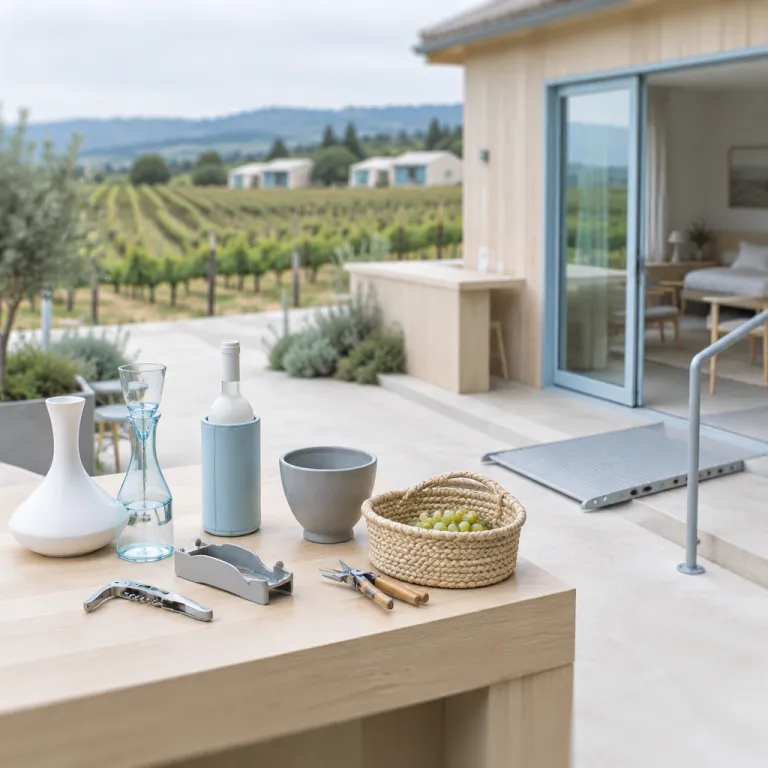
Travelers who want vineyard views from their room need to balance scenery with accessibility. Some napa valley wheelchair accessible wineries sit on hillsides, so you must confirm that accessible paths and ramps connect the vineyards, the main estate building, and any terraces used for food and wine pairings. A carefully chosen wine country stay can give you panoramic rows of vines without sacrificing a safe, level route back to bed.
When you evaluate a winery that offers lodging, ask whether the accessible room faces the vineyards or the car park, because the view can transform your stay. Many properties in Napa Valley and neighboring Sonoma County now design at least one premium accessible suite with a wide doorway, roll in shower, and enough floor space beside the bed for comfortable wheelchair turning. You can compare these options using a specialist guide to Napa Valley hotels with vineyard views, then cross check each listing against the winery’s own accessibility details.
Look for estates that specify the exact clearance beside the bed, under the desk, and on each balcony, because these measurements determine whether you can position a wheelchair easily. If a property mentions an accessible terrace, ask whether there is a level transition at the threshold or a small lip that might catch front casters. The most reliable napa valley wheelchair accessible wineries will happily send photos of each doorway, ramp, and bathroom, allowing you to judge whether the slope and layout truly match your needs.
Planning wine tasting days around step free estates
Once you have secured an accessible room, you can design tasting days that minimise transfers and steep slopes. Many travelers choose a central base in Napa Valley, then visit nearby wineries with verified step free tasting rooms and accessible toilets to reduce fatigue. This strategy works especially well if you are attending a celebration such as a vineyard wedding and want to pair the venue with a practical hotel stay.
For event focused trips, coordinate early between the wedding venue, your chosen winery, and your hotel so that every door, ramp, and path aligns with your mobility needs. A detailed guide on how to pair Napa Valley vineyard wedding venues with the right hotel can help you match ceremony locations with nearby napa valley wheelchair accessible wineries that offer calm, accessible tasting spaces. Ask whether there is sheltered, step free access from the car to the tasting room, because sudden heat or rain can be challenging when transfers take longer.
During tastings, confirm that the bar counter has a lower section or that staff can provide a portable table at wheelchair height. You should also ask about accessible paths between indoor and outdoor tasting areas, especially where gravel or grass might interrupt a smooth route. When a winery offers clear accessibility details about surfaces, ramp gradients, and the exact turning space near each table, you can relax and focus on the wines rather than the logistics.
Comparing napa and sonoma county for accessible wine country stays
Many travelers combine Napa Valley with neighboring Sonoma County to experience a broader slice of wine country. Napa is compact and polished, while Sonoma County stretches from the town of Sonoma to Santa Rosa and the Pacific coast, offering a more rural feel. Both regions now feature wineries with thoughtful accessibility, but the layout of each valley shapes how you plan your stay.
In Napa, distances between one winery and the next are often shorter, which suits visitors who prefer minimal transfers and quick returns to their room. Sonoma County covers a larger area, so you may spend more time driving between vineyards, yet you gain access to estates near Santa Rosa and the Russian River that combine cooler climate wines with quieter tasting rooms. When you compare napa valley wheelchair accessible wineries with their Sonoma counterparts, focus on how each estate describes its accessible paths, door widths, and turning space in the tasting room.
Producers such as Silver Oak operate in both Napa and Sonoma, giving you a useful benchmark for accessibility standards across the two counties. You might stay in Napa Valley for its dense cluster of wineries, then schedule a day trip to a Sonoma winery that offers a step free terrace and detailed accessibility information. This mix lets you enjoy the full diversity of California wine country while keeping your daily routes manageable and your accessibility needs fully respected.
Iconic estates and how they handle wheelchair accessibility
High profile estates attract visitors for their wines and their architecture, but not every famous winery handles accessibility equally well. When you plan visits to napa valley wheelchair accessible wineries with strong reputations, you should examine how each estate balances design flourishes with practical, step free circulation. A thoughtful layout can make even a historic stone building comfortable for wheelchair users.
Silver Oak in Napa and in Sonoma County is known for its Cabernet Sauvignon and for sustainable architecture that includes wide corridors, generous turning space, and clear accessible paths between the tasting room and the vineyards. In Sonoma, Gary Farrell Winery near Santa Rosa offers elevated views over Russian River Valley vineyards, and many guests appreciate that the main tasting areas are reached via ramps rather than stairs. The Francis Ford Coppola Winery in Sonoma County, often called the Francis Ford Coppola estate, blends film memorabilia with food and wine experiences, so you should ask in advance which pools, restaurants, and tasting spaces are fully step free.
When you contact these estates, request precise accessibility details such as clear door widths, the presence of any level thresholds, and the availability of accessible toilets near the main tasting room. Ask whether staff can reserve a parking bay with extra space on both sides for a side loading vehicle, and whether there is enough room to turn beside each table. The most committed wineries will provide diagrams that show every door, ramp, and accessible route, allowing you to judge whether their design supports your comfort throughout a long day of tasting wines.
Designing a refined three day accessible itinerary with on site lodging
Staying at a winery estate with lodging can transform your trip, because you remove the need to drive after tastings. When you focus on napa valley wheelchair accessible wineries that offer rooms among the vineyards, you gain quiet evenings, shorter transfers, and the pleasure of waking up to rows of vines outside your window. The key is to choose estates where every door between your bed, the lobby, and the tasting room remains step free and wide enough for your chair.
A typical three day plan might start with arrival at a central Napa hotel that has verified accessibility, followed by check in at an estate where you spend the next two nights. You can use a curated three day Napa Valley itinerary built around elegant hotels as a framework, then adapt it by prioritising wineries that publish detailed accessibility information. On day two, you might tour nearby vineyards in the morning, enjoy a relaxed food and wine pairing lunch, then return to your room via a gently sloped path that avoids any sudden ramps.
When you book, ask the estate to confirm the exact clearance under the bed for hoist equipment, the width of each doorway on the route to breakfast, and the turning space in the bathroom for comfortable wheelchair manoeuvring. Clarify whether the shower has a level entry, a fixed bench, and grab bars placed at an appropriate height in centimetres rather than vague terms. By securing these accessibility details in writing, you ensure that your time in wine country focuses on the character of the wines and the beauty of the valley, not on unexpected physical barriers.
Key statistics on accessible wine travel in napa valley
- According to Visit Napa Valley, the region hosts more than 400 wineries, and a growing share now provide at least one step free tasting room and accessible toilet for visitors with mobility needs, based on recent destination reports.
- The Americans with Disabilities Act recommends a minimum clear door width of 32 inches (about 81 centimetres), yet many new wine country builds in California now exceed 86 centimetres (around 34 inches) to allow more comfortable wheelchair access.
- Guidance from the U.S. Access Board suggests a turning space of 150 centimetres (approximately 59 inches) for wheelchairs, and estates that follow this standard in tasting rooms and corridors typically report fewer guest complaints about tight circulation.
- California tourism surveys indicate that travelers with disabilities represent a market worth several billion dollars annually, which encourages Napa Valley and Sonoma County properties to invest in ramps, lifts, and accessible paths across their vineyards.
- Data from the World Health Organization notes that around 16 percent of the global population lives with a significant disability, underscoring why transparent accessibility details are essential for any winery or hotel that welcomes international guests.
FAQ about napa valley wheelchair accessible wineries and lodging
How can I verify that a winery is genuinely wheelchair accessible ?
Contact the winery directly and ask for specific measurements such as door widths in centimetres, ramp gradients, and turning space in tasting rooms and toilets. Request recent photos of entrances, paths, and bathrooms rather than relying on generic marketing images. A property that responds with clear, written accessibility details is usually more reliable than one that offers only vague assurances.
Are there wineries in napa valley with both lodging and step free access ?
Several estates in Napa Valley combine on site rooms with step free routes between parking, reception, and tasting areas. When you research, focus on properties that describe accessible paths, level thresholds, and roll in showers in their accommodation. Always confirm these points by email or phone before booking, especially if you use a larger power wheelchair.
Is sonoma county as accessible as napa for wine travelers ?
Sonoma County covers a larger area than Napa Valley, and accessibility varies between individual wineries and hotels. Many estates near Santa Rosa and the town of Sonoma now offer ramps, wide doors, and accessible tasting rooms, but distances between properties can be greater. Travelers who prioritise short transfers often base themselves in Napa, then add a carefully planned day trip to a Sonoma winery with verified accessibility.
What should I ask about my hotel room when I use a wheelchair ?
Request the exact bed height, the clear space on each side, and the clearance under the bed if you use a hoist. Confirm that the bathroom has a roll in shower with a level entry, grab bars, and enough turning space for your chair. You should also ask whether the route from reception to your room is fully step free, including any terraces or external corridors.
Can I enjoy vineyard views if I need full accessibility ?
Many napa valley wheelchair accessible wineries and hotels now design accessible rooms with vineyard views rather than relegating them to less scenic areas. When you book, specify that you require both an accessible layout and a view over the vineyards, then ask for photos of the exact room type. Properties that treat accessibility and scenery as equal priorities usually provide the most satisfying wine country stays.